
Our Review Philosophy: Why We Do This
We started Ramesh Music because we were tired of gear reviews that read like press releases. Every review on this site is built on a simple promise: we test everything ourselves, in our studio, with no manufacturer oversight. We do not accept payment for positive coverage. We do not let brands preview or edit our verdicts. If a piece of gear has a flaw, you will read about it here.
Our motivation is straightforward: good gear makes you want to create, and bad gear wastes your time and money. We want to help you tell the difference without having to buy everything yourself. Every review is written from the perspective of someone who spends long hours at a console, not someone reading a spec sheet in a press room.
The Evaluation Framework: How We Test
We break every review into five core categories. These categories are weighted based on what actually matters in a professional or serious project studio environment:
- Sound Quality — Clarity, noise floor, frequency response, and headroom
- Build Quality — Materials, connector integrity, chassis rigidity, and long-term durability
- Features — Input/output options, routing flexibility, included software, and unique capabilities
- Value — Price-to-performance ratio relative to direct competitors
- Workflow — Ergonomics, latency, driver stability, and real-world session usability
We do not cherry-pick settings to make gear sound better on paper. We test at stock settings, then explore optimal configurations. Both results are reported honestly.
Signal Path Integrity: Our Listening Environment
Every piece of gear gets tested through a consistent reference chain. Our monitoring path is: Antelope Audio Orion 32+ Gen 3 â Neumann KH 310 monitors â Avantone MixCubes for midrange translation â Beyerdynamic DT 1990 Pro headphones for detail checking. The room is treated with broadband absorption and diffusion, calibrated to a flat response down to 40 Hz using Sonarworks SoundID Reference.
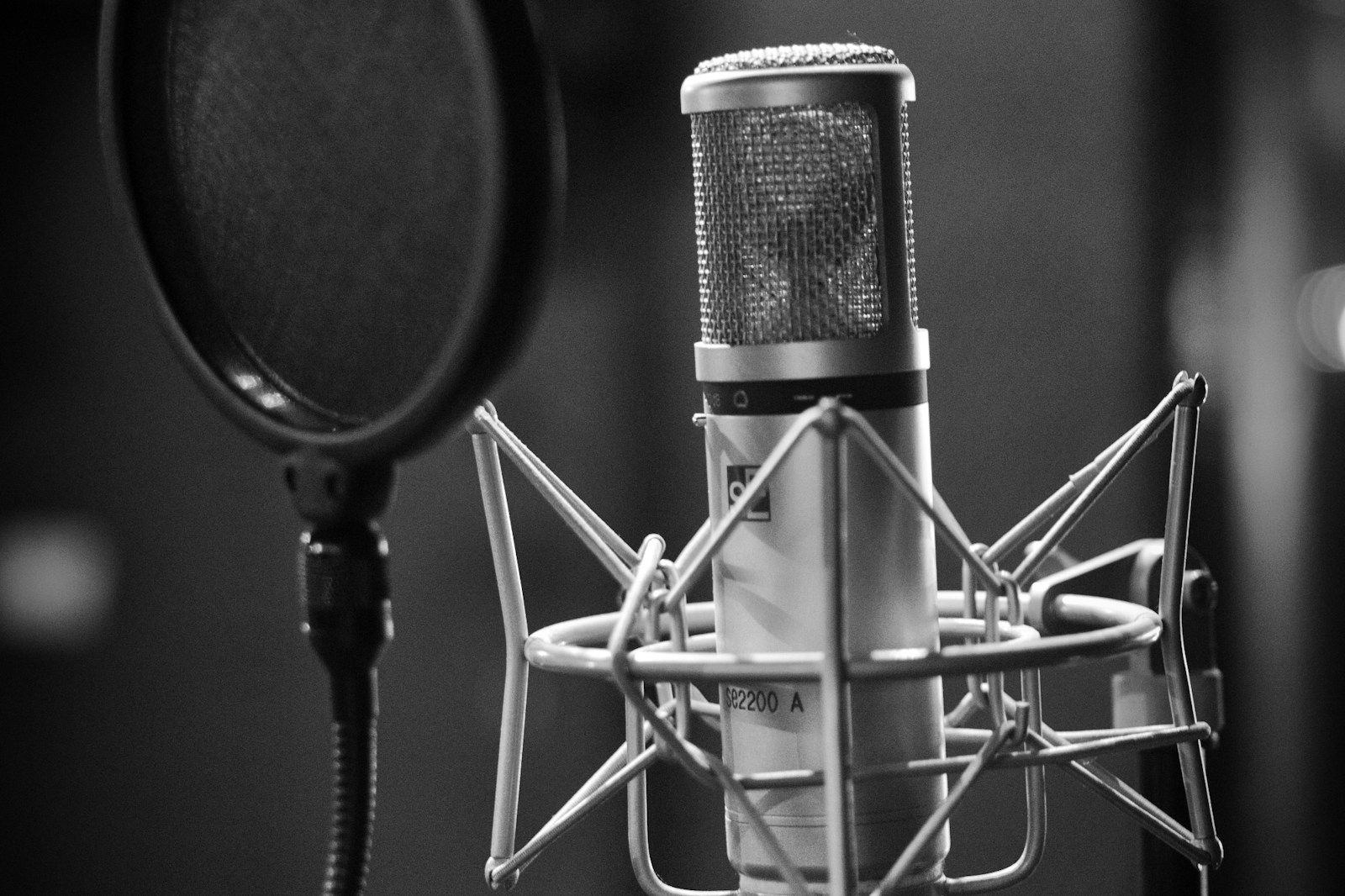
We use a core library of reference tracks across genres — Andrew Bird’s Armchairs for acoustic space, Kendrick Lamar’s DNA. for low-end density, and a dry vocal recording we made in-house that we know intimately. This consistency lets us compare a microphone reviewed six months ago against a preamp reviewed today with genuine accuracy.
Build Quality & Durability
Studio gear takes abuse. Cable strain, transport vibration, knob torque, and connector wear are real problems. We examine every unit for these common failure points:
- XLR and TRS jack mounting — are they chassis-mounted or PCB-mounted? PCB jacks fail sooner.
- Knob resistance — loose pots drift during sessions. We test for consistent resistance across rotation.
- Chassis flex — can you bend the case by pressing on the top panel? If yes, internal traces are at risk.
- Power supply quality — external linear supplies are preferred over cheap switching bricks.
If a piece of gear feels fragile in a treated control room, it will not survive a tour van or a shared rehearsal space.
Workflow Integration: Real-World Use Tests
We spend at least three full sessions with every piece of gear before writing a review. That means tracking vocals, mixing a full song, and using the gear in a typical chain — not just loopback tests. We specifically evaluate:
- Latency — measurable round-trip delay at common buffer settings (64, 128, 256 samples)
- Driver stability — does the device drop connection? Does it play nice with Focusrite, RME, and Universal Audio interfaces?
- Ergonomics — can you reach all controls without shifting your listening position? Are labels readable in low light?
- Cable routing — are inputs and outputs laid out logically, or do cables create a mess?
We have rejected gear that sounded great but crashed a session three times in two hours. Workflow matters as much as tone.
Value vs. Performance: Our Scoring Rubric
Every review includes a numeric score based on this weighted rubric. We publish the breakdown so you can see where a product excels and where it falls short:
- Sound Quality (30%) — The most important factor. If it doesn’t sound good, nothing else matters.
- Build Quality (20%) — Gear needs to last. Flimsy construction drags down the entire score.
- Features (20%) — Does it offer useful connectivity, routing, or software that expands its value?
- Value (20%) — How does it compare to alternatives at the same price point?
- Workflow (10%) — Is it a joy to use, or a headache during a session?
A score of 8/10 means “excellent with minor tradeoffs.” A 6/10 means “functional but unremarkable.” We do not inflate scores for popular brands.
What We Don’t Do: Editorial Boundaries
Trust is earned by what you refuse to do as much as what you do. These are hard lines we never cross:
- No sponsored verdicts — manufacturers cannot buy a higher score or a featured placement.
- No cherry-picking — we do not test only the most flattering settings. We report both best-case and typical-performance results.
- No ignoring flaws — if a preamp has a high noise floor, we say so. If a microphone has a nasty sibilance peak, you will hear about it.
- No undisclosed affiliate bias — when we use affiliate links, we clearly label them. You never pay more by clicking through.
We lose money on every review that tells you not to buy something. We publish that review anyway.
Our Testing Equipment List (Reference Chain)
To keep our reviews consistent across months and years, we use the same reference gear for every evaluation:
- Audio Interface: Antelope Audio Orion 32+ Gen 3
- Monitors: Neumann KH 310 (primary), Avantone MixCubes (reference)
- Headphones: Beyerdynamic DT 1990 Pro, Sennheiser HD 600
- Microphones (for preamp tests): Shure SM57, Neumann U 87 Ai, AKG C414 XLII
- Cables: Mogami Gold Studio XLR and TRS (consistent impedance)
- Room Correction: Sonarworks SoundID Reference (calibrated to 40 Hz)
If our chain changes, we update this list and note it in individual reviews.
The Bottom Line: How We Decide Our Verdict
A review at Ramesh Music ends with a clear verdict. That verdict is not one person’s opinion after a quick demo. It is the result of structured testing, real session use, and honest comparison against the market. We weight sound quality highest, but we never ignore price, durability, or workflow.
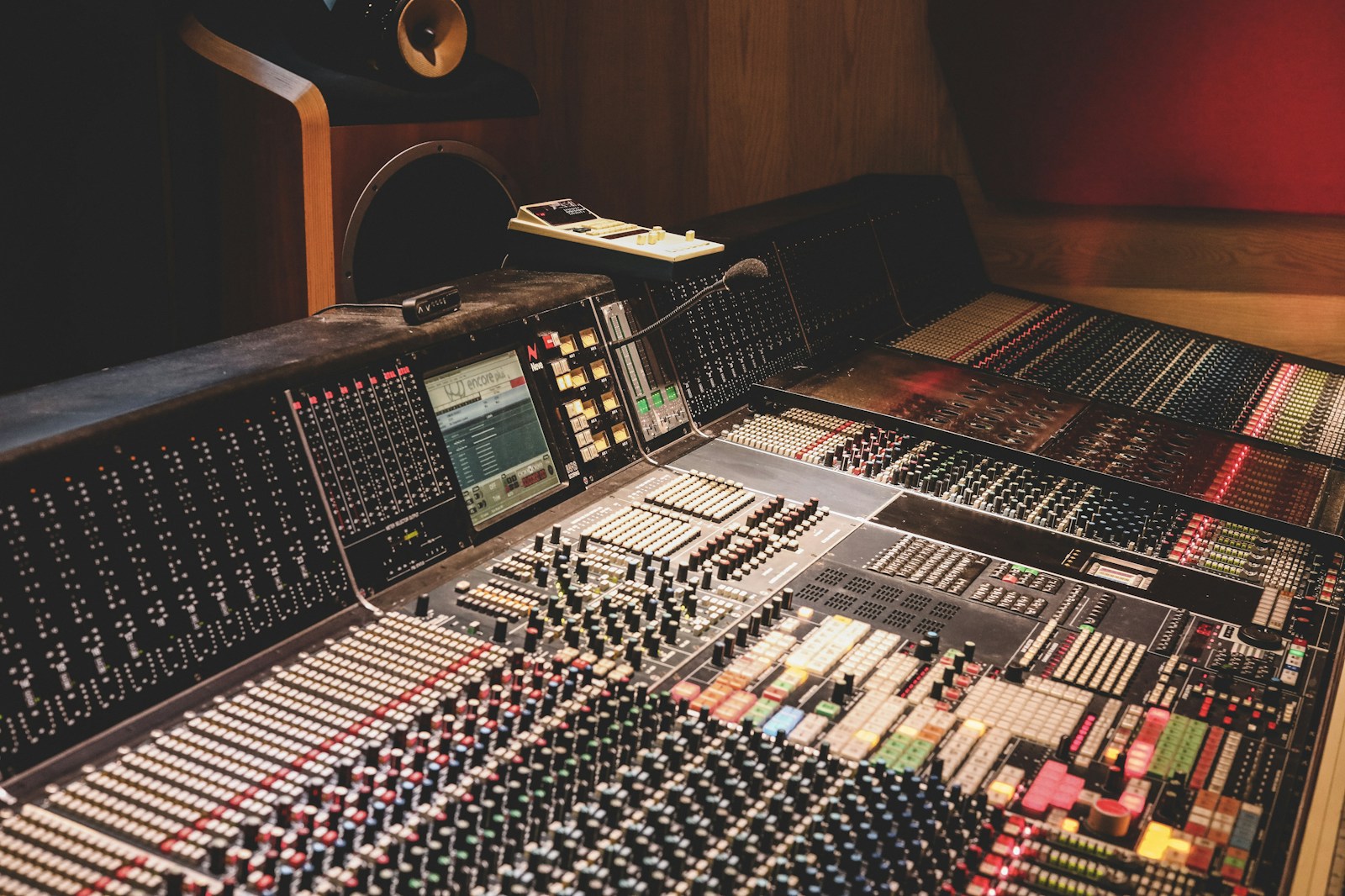
If you are shopping for studio gear, our reviews are meant to save you time, money, and frustration. Read the full breakdown, check the scoring rubric, and decide what fits your room and your budget.
When you find something worth buying, using our affiliate links helps keep this site running. You pay the same price — we just get a small cut that funds more gear to test. Thank you for trusting our process.