
Sometimes the Gear Doesn’t Matter — Here’s Why I’m Saying It Out Loud
A few years back, a client walked into my room with a brand new Neumann U 87 Ai. It was still in the box. He had dropped nearly four grand on it before we even tracked a single note. We set it up, ran a quick vocal take, and… it sounded boxy. Thin. Honestly disappointing. The problem wasn’t the mic. It was the untreated room. My client was standing in a corner with parallel glass windows behind him. That $4,000 capsule was catching every reflection and cancellation the room could throw at it.
I swapped in an old SM7B I had lying around, moved him to the center of the room, and got a usable take. He looked at me like I had broken his heart. The truth is, expensive studio gear is a tool, not a magic wand. I’ve made that mistake myself—buying a high-end compressor that, in my untreated home studio, made things worse. This page is for those moments when you’re about to swipe the card and need one honest voice to say, “Maybe not yet.”
The 4 Real-World Scenarios Where Expensive Gear Falls Flat
Let’s get specific. These are the situations where no amount of money thrown at gear will fix the underlying problem. I’ve seen them all play out.
1. Poor Room Acoustics Eat Every Dollar
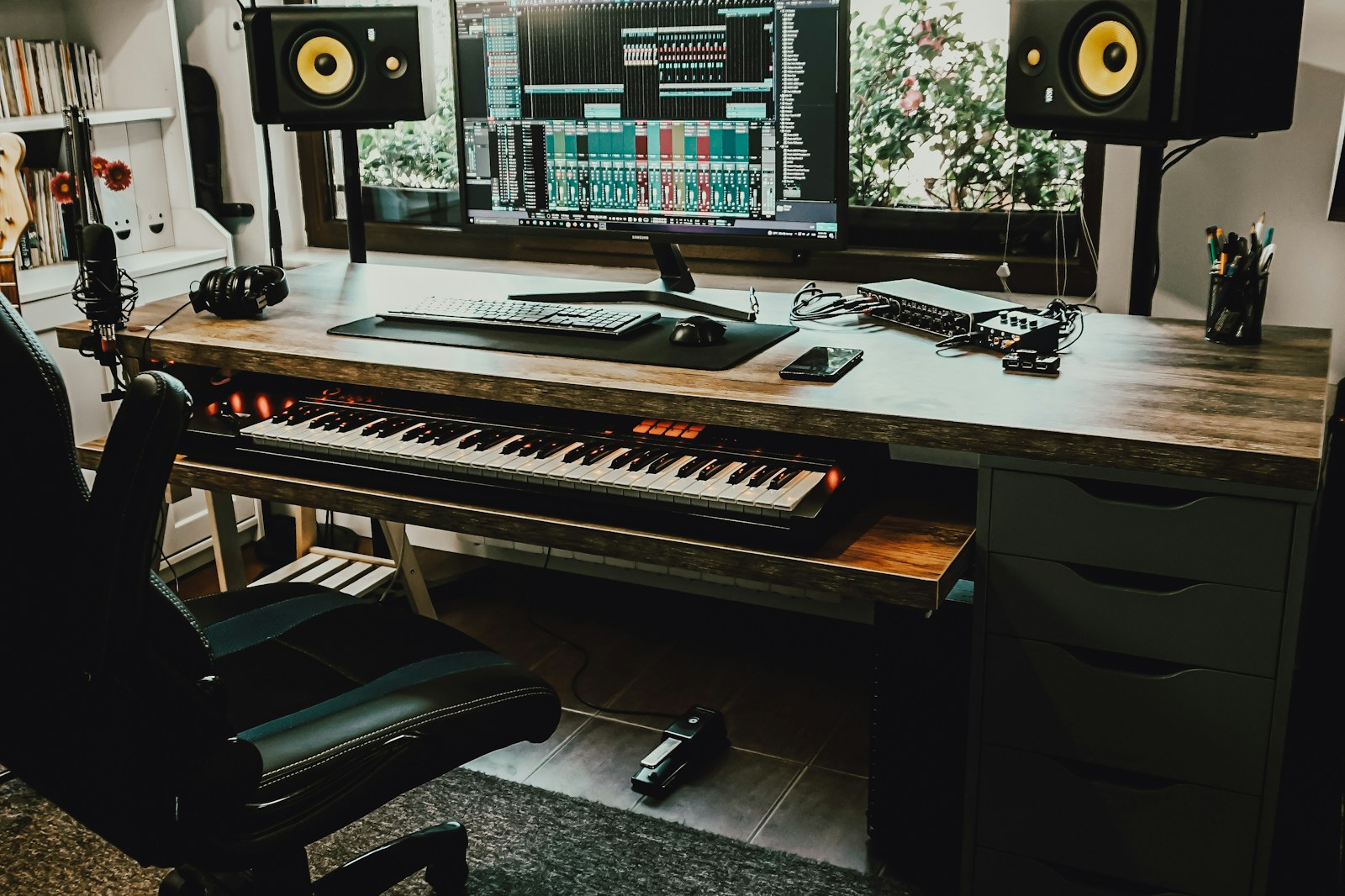
This is the big one. You can buy a $5,000 microphone preamp, but if your room sounds like a bathroom, your tracks will still sound like a bathroom. Affordable gear like a $200 interface and a $100 dynamic mic, combined with $300 worth of broadband absorbers and bass traps, will consistently outperform a $5,000 chain in a reflective, boxy room. The room is the single most influential piece of gear you own. Spend there first.
2. Weak Source Signal Doesn’t Get Better with Expensive Gear
Garbage in, garbage out. A poorly recorded DI from a $99 guitar into a high-end channel strip is still a poorly recorded DI. The expensive gear just reveals the flaws more clearly. I’ve watched producers blame their “cheap” preamp for a thin vocal, when the real issue was the singer was 18 inches off-axis. Your source—instrument, performance, mic technique—matters more than the circuitry between it and your DAW.
3. The Mixing Skill Gap Is Real
You cannot buy your way out of needing to know how to mix. A $4,000 compressor won’t automatically dial in the right attack and release. A world-class equalizer won’t teach you frequency masking. The time I’ve spent learning to use basic stock plugins well has directly improved my mixes far more than any hardware purchase ever did. If you can’t get a good mix with a stock EQ and a simple compressor, upgrading the gear is a distraction, not a solution.
4. Genre Mismatch Kills Value
Not every genre demands a pristine, ultra-transparent signal chain. If you’re recording punk, metal, lo-fi hip-hop, or experimental electronic, the artifact-laden sound of a cheap interface or an old dynamic mic is often the character you want. I’ve intentionally run drum samples through a $30 cassette recorder to get the sound I need. Spending thousands on low-noise, high-headroom gear when you’re chasing grit is just burning cash.
What You Actually Need vs. What the Internet Tells You
If you’re starting your home studio build or feeling upgrade pressure, here’s the honest baseline. Forget the long list of “essential” gear from the forums. Focus on these four items, in this order:
- Room treatment: Absorbers and bass traps. Unsexy, but this is where your money pays off immediately.
- A decent audio interface: Something with clean preamps and solid drivers. You don’t need eight channels or boutique converters for the first few years.
- Accurate monitoring: Headphones or monitors that let you hear what’s actually happening. Don’t buy “mixing” speakers because a YouTuber said so—buy what translates well in your room.
- One versatile microphone: A dynamic mic like an SM57 or an affordable large-diaphragm condenser can cover vocals, amps, and acoustic instruments. Learn to use one well before buying ten.
Everything else—outboard compressors, vintage EQs, boutique preamps—is frosting. The cake is the room, the interface, and the monitoring. If those are right, the rest is incremental improvement.
How I Personally Test If a New Purchase Is Worth It
I’ve bought gear I regretted. Plenty of it. So I built a simple process to stop myself from making emotional purchases. You can use it too.
- Step 1: The Blind Test. Record something simple—one vocal, one acoustic guitar—through your current chain and through the new gear. Don’t look at brand names. Just listen. If you can’t consistently pick the expensive option in a blind A/B test, the difference isn’t meaningful for your work.
- Step 2: The Comparative Mix Session. Take that same raw track and mix it using only your current setup. Then swap in the new gear and mix it again. Does the mix actually come together faster or sound clearly better? If the answer is “maybe a little bit,” it’s not worth it.
- Step 3: The Return Period Challenge. If the gear has a 30-day return window, use every single day. Record in different genres. Try it in less-than-ideal acoustic settings. If it hasn’t permanently improved your workflow or sound by day 20, send it back. No shame. I’ve returned a $2,000 compressor because I couldn’t hear a meaningful difference in my actual room.
The Real Cost of Chasing Gear (And What It Costs Your Music)
Beyond the money, chasing gear has hidden costs. The first is time. I’ve spent hours reading specs, watching demo videos, and auditioning gear when I should have been mixing, writing, or recording. That time is gone. The second is creative stagnation. When you’re constantly thinking “if only I had this compressor, then my mix would be good,” you’re not solving the real problem. You’re avoiding the hard work of learning. The third cost is financial stress. I know producers who max out credit cards for a microphone they barely use. That debt doesn’t make better music. It just adds pressure.
Final Take: When the Smart Move Is to Walk Away
The best decision I ever made in my studio was to stop looking at gear as a shortcut. Skill, experience, and a treated room consistently beat a price tag. Next time you’re tempted to buy a premium piece of gear, ask yourself one question: “Will this make my next track better, or will it just make me feel like a producer?” If the answer is the latter, put the money toward treatment, learning, or even just saving it. Your music will thank you. And when the right purchase does come—one that genuinely solves a problem you actually have—you’ll know it. Until then, trust your ears and your hands more than your wallet.