
Introduction
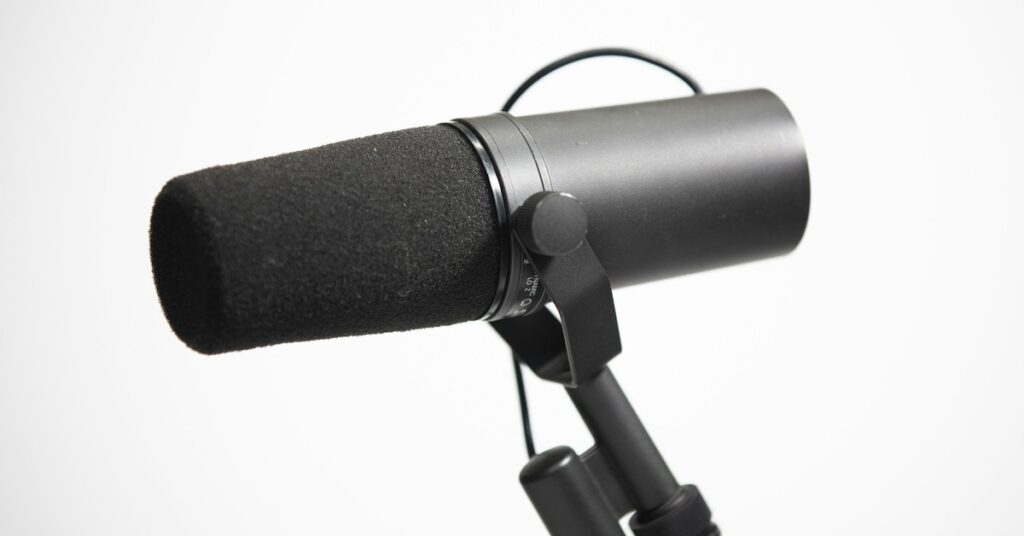
If you’re setting up a home studio or upgrading your recording rig, you’ve probably run into the Shure SM7B vs Rode NT1-A debate. These are two of the most popular mics in their categories, and for good reason. They’re both iconic, but they serve completely different needs. One is a dynamic workhorse built for untreated rooms and broadcast-style voice work. The other is a condenser that excels at capturing detail in a controlled environment. I’ve used both extensively over the years, in everything from pro vocal sessions to makeshift podcast setups. Choosing the wrong one for your situation means wasted money and subpar recordings. This article breaks down every practical difference so you can make the right call the first time.
Why This Comparison Matters for Your Studio
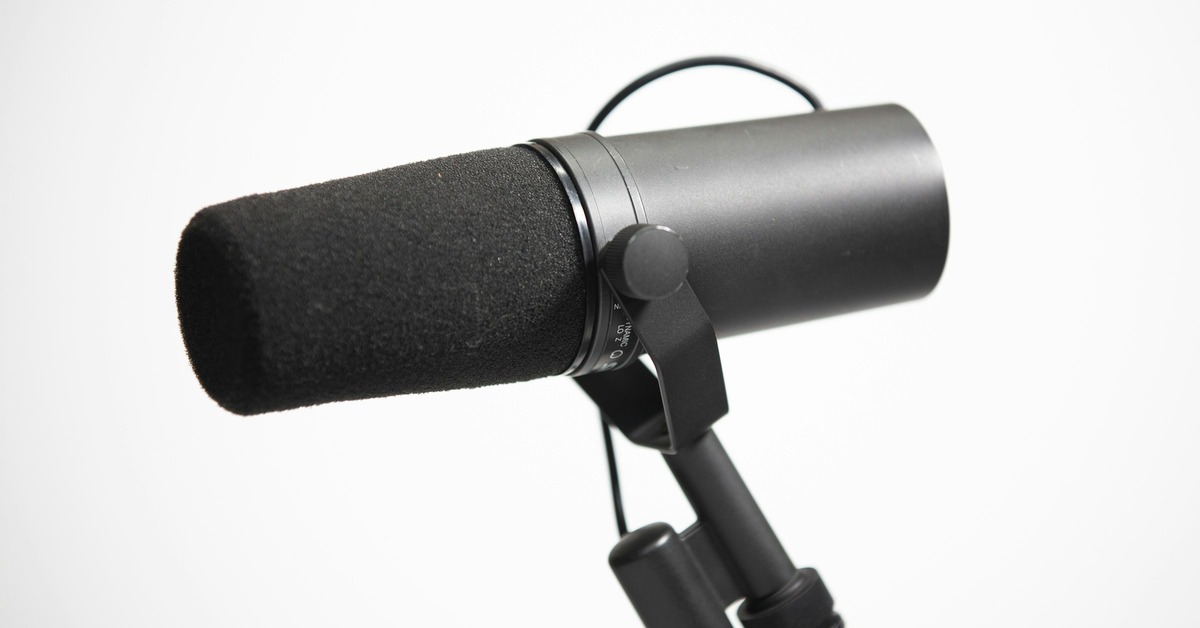
The Shure SM7B and Rode NT1-A represent two entirely different philosophies in microphone design. The SM7B is a dynamic mic that relies on mechanical rejection and a tight cardioid pattern to isolate your voice. The NT1-A is a condenser that uses a sensitive diaphragm and active electronics to capture every nuance of a performance. That core difference dictates everything: how they handle room noise, what kind of preamp you need, and where they fit best. If you buy a condenser mic for a noisy bedroom, you’re going to fight background noise forever. If you buy a dynamic mic for a treated vocal booth, you might miss out on the air and detail a condenser can deliver. Getting this wrong is an expensive mistake. This comparison exists to help you avoid it.
Quick Overview: Shure SM7B and Rode NT1-A at a Glance
Here’s a side-by-side look at the essential specs. Specs only tell part of the story, but they’re a good place to start.
- Shure SM7B: Dynamic, cardioid, 50-20,000 Hz frequency response, impedance of 150 ohms (rated), XLR output. Deep, warm sound with a pronounced midrange. Famous for radio, podcasting, and heavy rock vocals. Requires significant gain—typically 60 dB or more.
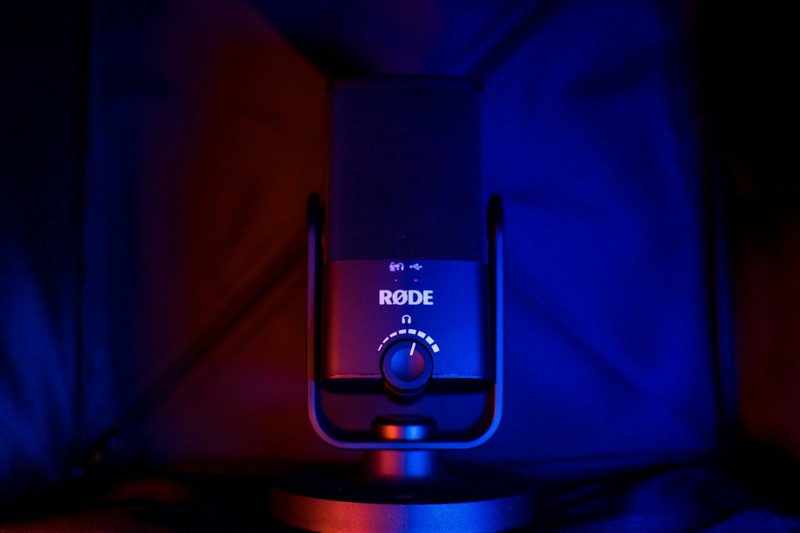
- Rode NT1-A: Condenser, cardioid, 20-20,000 Hz frequency response, impedance of 100 ohms, XLR output. Bright, airy sound with extended high-frequency response. Extremely low self-noise (5 dBA), making it ideal for quiet sources. Requires phantom power (48V) and delivers a healthy output level.
The SM7B is built like a tank. The NT1-A is lighter and more sensitive. That sensitivity is both a gift and a curse, depending on your space.
Sound Quality Showdown: Dynamic vs Condenser
Let’s get into the actual sound. The SM7B has that warm, present character that sits well in a mix without sounding harsh. It has a proximity effect that thickens up when you get close, which works great for deep voices or spoken word. You lose a bit of air on the top end, but that’s often desirable when you’re recording a voiceover or a rock vocal that needs to cut through a dense arrangement. I’ve tracked male vocals with the SM7B that needed almost no EQ—just a high-pass filter and a touch of compression.
The NT1-A is the opposite. It’s bright. Its high end extends well beyond what the SM7B captures, which adds air and sheen to vocals. That works beautifully for pop vocals, folk singers, or any performance where you want clarity and detail. But it also picks up everything else: the hum of your computer, the room echo, the traffic outside. I’ve used it to record an acoustic guitar and vocal simultaneously for a singer-songwriter, and the results were stunning—but only because the room was treated. In a bad room, the NT1-A sounds brittle and unfocused. Neither is better. They’re tools for different jobs.
Build Quality and Durability: Which One Lasts Longer?
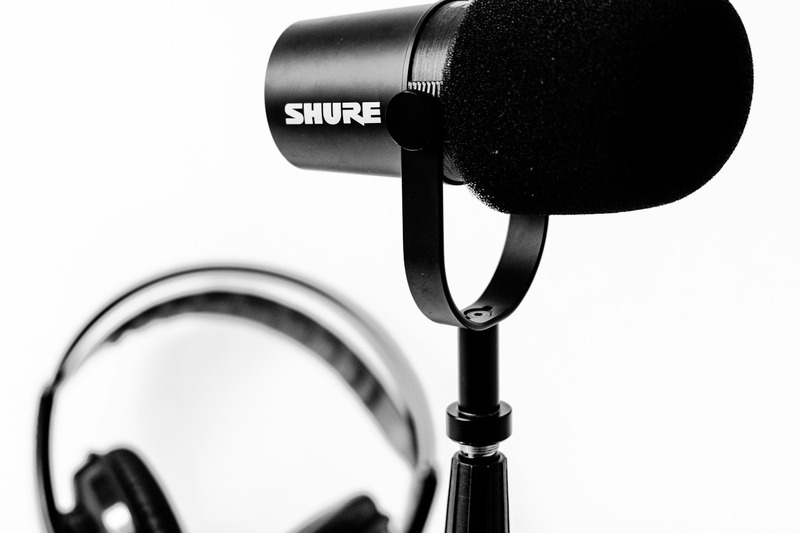
The Shure SM7B is essentially a brick. It’s made of thick metal, the yoke mount is robust, and it can survive a drop from a desk without flinching. I’ve seen them on tour buses, in studio cabinets, and in radio stations for twenty years—still working. The only weak point is the foam windscreen, which eventually degrades. But the mic itself is nearly indestructible.
The Rode NT1-A is lighter and feels more delicate. The body is metal, but the overall construction is less tank-like. The included shock mount is decent, but if you find it inadequate, an upgraded shock mount for Rode NT1-A can provide more stability. The pop filter that comes with the NT1-A is functional, but the clips can break if you’re not careful. If you’re recording in a dedicated studio and treating your gear gently, the NT1-A will last fine. If you’re moving gear between locations or working in a high-traffic environment, the SM7B wins on durability alone.
Gain Requirements: The SM7B’s Dirty Secret
Here’s something they don’t always tell you in the marketing: the SM7B needs a lot of gain. A lot. Most entry-level audio interfaces (like the Focusrite Scarlett 2i2 or the Behringer U-Phoria series) can barely push enough clean gain to get a usable level. You’ll find yourself cranking the preamp knob to 80% or more, which also brings up noise floor. That’s why many SM7B users add an inline preamp like the Cloudlifter CL-1 or the Triton Audio FetHead. These devices provide 20-27 dB of clean gain before the signal hits your interface, giving you a much cleaner recording.
The NT1-A, being a condenser, has a healthy output. You need phantom power (48V from your interface), but once that’s active, the signal is strong. Most interfaces can drive it without breaking a sweat. That means less money spent on extra gear. If you’re on a tight budget, that difference alone might push you toward the NT1-A. But if you’re willing to invest in a gain booster (around $130), the SM7B becomes much more viable.
Room Treatment: Which Mic Is More Forgiving?
This is probably the single most important practical factor for home studio owners. The SM7B’s dynamic design naturally rejects off-axis noise. It’s less sensitive to room reflections, handling noise, and computer hum. You can set it up in a bedroom with minimal treatment and get a usable track. I’ve recorded podcast episodes in a hotel room with nothing but a moving blanket behind me and it sounded fine.
The NT1-A is a condenser. It hears everything. That includes the echo from your bare walls, the fan on your computer, and the footstep from the next room. If your space isn’t treated, the NT1-A will expose every flaw. That doesn’t mean you can’t use it—you just need to solve the room problem first. A few acoustic foam panels strategically placed, or a portable reflection filter (like the sE Electronics RF Pro) can make a huge difference. If you don’t want to treat your room, the SM7B is the obvious choice. If you have a treated booth or a quiet space, the NT1-A offers more detail.
Best Use Cases for the Shure SM7B
Let’s get specific about where the SM7B dominates:
- Podcasting and streaming. The SM7B is basically the industry standard for podcasters. It handles plosives well without an external pop filter. It rejects background noise. It looks professional on camera.
- Voiceovers and spoken word. The warm, intimate sound works perfectly for narration, audiobooks, and broadcast.
- Heavy rock vocals. The SM7B handles high SPL without distorting. It can take a loud vocalist without flinching.
- Untreated rooms. If your space sounds bad, the SM7B is the safer bet.
I once recorded a spoken word piece in a noisy apartment with the SM7B. The result was clean. The NT1-A would have picked up the refrigerator compressor, the neighbor’s TV, and the room echo. The SM7B just worked.
Best Use Cases for the Rode NT1-A
The NT1-A shines in controlled environments where you want to capture every detail.
- Studio vocal recording. Especially for pop, folk, or bright voices. The air and clarity can be stunning.
- Acoustic guitar. A single NT1-A placed around the 12th fret captures rich, detailed acoustic guitar tracks.
- Drum overheads. It works well as a spaced pair for capturing cymbal detail and room ambience.
- Quiet sources. If you’re recording a soft vocal or an intimate performance, the NT1-A’s low self-noise is a huge advantage.
I remember recording a singer-songwriter in a treated room with the NT1-A. We set up a single mic for vocals and another for guitar. The recordings were clean, natural, and needed almost no post-processing. That’s the magic of the NT1-A in the right environment.
Common Mistakes to Avoid When Choosing Between Them
I’ve seen these mistakes happen over and over. Let me save you the trouble.
- Buying the SM7B without a gain booster. You’ll end up with a noisy, weak signal. Plan for the extra cost.
- Expecting the NT1-A to work in a noisy room. It won’t. You’ll end up with unwanted reflections and noise. Treat the room first.
- Assuming one is universally ‘better’. They’re not. They’re different. Base your choice on your space and your source, not on hype.
- Not testing before buying. If you can, rent both or borrow from a friend. A mic test in your own space is worth more than any review.
The X-Factor: Which One Fits Your Workflow?
Your workflow matters. The SM7B needs a sturdy boom arm (it’s heavy) and gain boosting gear. It’s not a small setup. The NT1-A is lighter and more compact. It also needs phantom power, but that’s standard on any interface. If you do mobile recording—say, you bring your gear to a client’s location—the NT1-A is easier to pack and set up. The SM7B is better if you have a permanent desk setup and don’t plan to move it. Also consider your preamp quality. A high-end preamp can make the SM7B sound incredible. A budget preamp will make the NT1-A sound decent but might struggle with the SM7B’s gain requirement.
Recommended Setup: Gear Pairings for Each Mic
Here’s how I’d pair each mic with essential gear:
For the Shure SM7B:
- Audio interface with clean preamps: Focusrite Scarlett 2i2 or Universal Audio Apollo (they handle gain well)
- Inline gain booster: Cloudlifter CL-1 or Triton Audio FetHead
- Boom arm: Rode PSA1 (supports the weight)
- Closed-back headphones: Sony MDR-7506 for monitoring without bleed
For the Rode NT1-A:
- Audio interface with good preamps and phantom power: Audient iD4 or Focusrite Scarlett 2i2
- Open-back headphones: Beyerdynamic DT 900 Pro X for detailed monitoring
- Portable reflection filter: sE Electronics RF Pro for flexible room control
- Acoustic panels: Basic foam or fabric panels for first reflection points
Final Verdict: Which One Should You Buy?
Here’s the short version: if you’re recording in an untreated room, doing a lot of spoken word or podcasting, or need a mic that can take a beating, get the SM7B. You’ll need to budget for a gain booster, but it’s a proven workhorse that will serve you for years. If you have a treated space, need detail and air for vocals or acoustic instruments, and want something that’s plug-and-play, the NT1-A is an excellent choice at a lower total cost. Audit your space, your source, and your budget. That’s your answer. If you’re still unsure, start with the SM7B for its versatility and forgiveness. It’s the safer bet for most home studios.
Frequently Asked Questions
Do I need phantom power for the SM7B?
No. The SM7B is a dynamic mic and doesn’t require phantom power. It uses an XLR cable connected to an audio interface or mixer. Phantom power won’t damage it, but it won’t help either.
Which mic is better for rap vocals?
It depends on the rapper and the room. If the room is untreated or the rapper has a lot of energy, the SM7B handles dynamics and body better. If the room is treated and you want a more crisp, present sound, the NT1-A works well. Many rap vocals are recorded with condensers, but the SM7B has a signature sound that’s popular in hip-hop too.
Can I use the NT1-A for podcasting?
Yes, but only if your room is well-treated. The NT1-A will pick up every echo and background noise. If you have a quiet, treated space, it can deliver very clean podcast audio. For most podcasters in typical home offices, the SM7B is the safer choice.
Is the SM7B worth the extra money?
The SM7B is more expensive, especially when you add the gain booster. If you need its isolation and durability, yes, it’s worth it. If you can treat your room and want detail, the NT1-A delivers excellent value for less. It’s not about which is ‘better’—it’s about which solves your specific problems.