Buying your first DJ controller is a rite of passage. It’s also a minefield.
You’ve got a hundred options, conflicting reviews, and plenty of people pushing you toward gear that costs more than your first car. The excitement of learning to mix gets buried under analysis paralysis.
I’ve spent years in the booth and in the studio. I’ve tested these controllers at home, in clubs, and at mobile gigs where the stakes were real. This guide cuts through the noise. I’m going to tell you exactly which controllers are worth your time and money in 2025, based on what you actually want to do.
This isn’t about hype. It’s about finding the best DJ controller for beginners that matches your budget, your software choice, and your long-term goals. Let’s get to it.
What to Look for in a Beginner DJ Controller
Before we get to the list, you need to know what separates a good starter controller from a frustrating one. You don’t need to be a gear nerd, but understanding three core elements helps.
Channels: Two or Four?
Ninety percent of beginners don’t need a four-channel controller. You’re learning to beatmatch, phrase, and transition. Two channels are enough for that. A four-channel controller adds complexity, a bigger footprint, and a higher price tag. It can also encourage sloppy habits, like leaving tracks running when you should be focusing on one mix. Start with two. Upgrade later when you’re actually using all those channels.
Software Compatibility
This is the biggest trap. Your controller is useless without the right software. Most controllers come with a —Lite— version of a major DJ platform, but you need to know which one you want to live in. Pioneer DJ controllers typically unlock rekordbox and often Serato DJ Pro. Numark and Hercules usually lean toward Serato. Traktor controllers are locked into Native Instruments— ecosystem. Pick your software first, then buy the controller that makes it easy.
Build Quality and Feel
Plastic is fine at this price point. But feel the jog wheels. Are they loose or stiff? Do they have tension? Are the faders smooth or scratchy? A controller that feels cheap in the store will feel cheap after a month of heavy use. Prioritize reliability. A mid-range controller that works every time is better than a flashy one that glitches mid-set. Beginners who want to compare the feel of different models may want to browse beginner DJ controllers with Serato to see what fits their hands.
Don’t get distracted by lights, effects, or DJ apps. Your first controller is a tool. It needs to help you learn timing, phrasing, and listening. Everything else is noise.
The 7 Best DJ Controllers for Beginners in 2025: Quick Overview
- Pioneer DJ DDJ-FLX4: The safe, future-proof choice for most beginners. Pairs with rekordbox and Serato.
- Hercules DJControl Inpulse 300 MK2: Best for absolute beginners on a strict budget. Comes with Beatmatch Guide.
- Numark DJ2GO2 Touch: Most portable. Fits in a backpack. Unlocks full Serato DJ Pro.
- Roland DJ-202: Best for beginners interested in production and effects. Built-in drum sequencer.
- Traktor Kontrol S2 MK3: Best for those committed to the Traktor ecosystem. Premium feel.
- Pioneer DJ DDJ-REV1: Best for scratch beginners. Battle-style layout and dedicated scratch features.
- Denon DJ Prime Go: Best for mobile professionalism. Standalone operation, no laptop needed. Highest price.
1. Pioneer DJ DDJ-FLX4: The All-Around Champion
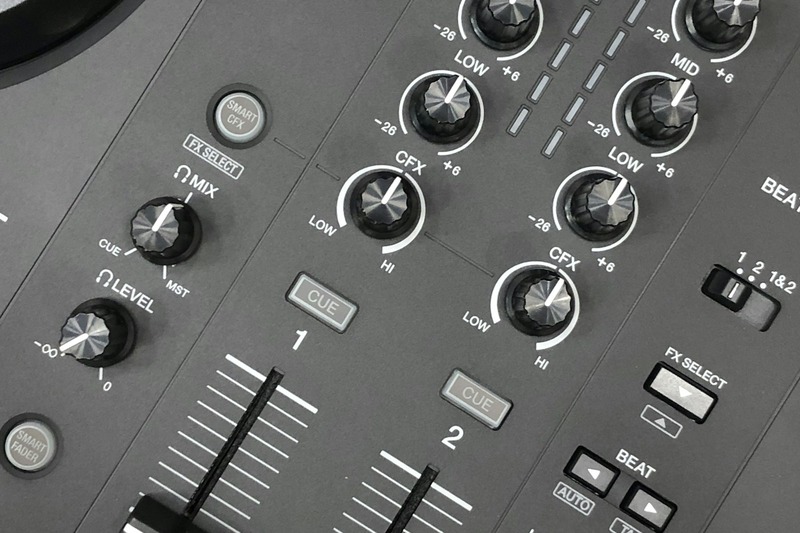
The DDJ-FLX4 is the controller I recommend to almost everyone starting out. It’s genuinely the best DJ controller for beginners right now because it addresses the two biggest pain points: software choice and portability.
What makes it special? It has a built-in sound card, so you can plug in headphones and speakers directly. The Smart Fader is not just a gimmick. It automatically adjusts the crossfader curve based on your transition style. It makes beginners sound better without thinking about it. The jog wheels are surprisingly good for this price tier. They have enough resistance to feel like real gear.
Software: It comes with a license for both rekordbox and Serato DJ Lite. You can upgrade to Serato DJ Pro later if you want. This flexibility is huge. You’re not locked into one platform.
Real-world use: I’ve used the FLX4 for small bar gigs and house parties. It handled everything I threw at it. The build is plastic, but it’s solid. It won’t survive a drop down a flight of stairs, but it’ll survive a few years of bedroom practice and mobile gigs.
Who should buy it? Almost anyone. If you can only afford one controller and want the safest, most capable entry point, look at the Pioneer DJ DDJ-FLX4.
2. Hercules DJControl Inpulse 300 MK2: Best Budget Pick
If the DDJ-FLX4 is too expensive, the Hercules Inpulse 300 MK2 is your next stop. It’s significantly cheaper and still gets the job done.
Key features: The Beatmatch Guide is actually useful. It lights up to show you when your tracks are synced, which is great for learning timing. It also has a built-in sound card and comes with Serato Lite. The pads are responsive, and the jog wheels are acceptable for the price.
Build quality: This is where you feel the price difference. It’s lighter, more plastic-y, and the faders don’t feel as smooth as the FLX4. But it’s not junk. It’ll hold up for a year or two of casual use. If you’re serious about learning, you’ll want to upgrade eventually. But for a first controller, it’s perfectly solid.
Who should buy it? The absolute beginner who wants to dip their toes in without committing big money. Or someone on a tight budget who needs a workable setup now. For those on a budget, check the Hercules DJControl Inpulse 300 MK2.
3. Numark DJ2GO2 Touch: Most Portable Option
Space is a real constraint for many beginners. If you’re in a dorm room, apartment, or frequently travel, the Numark DJ2GO2 Touch is practically designed for you.
Size: It’s tiny. Fits in a laptop bag. You can set it up on a coffee table. The jog wheels are small but functional. It uses touch strips for browsing and scrolling, which takes some getting used to but works.
Software: Here’s the killer feature: it comes with a full license for Serato DJ Pro. That’s a $129 value. You get the full software experience for the price of a budget controller. That alone makes it a compelling buy for Serato users.
Tradeoffs: It’s plastic and light. The faders are small. You won’t get the same feel as a larger controller. But for practicing on the go, it’s unmatched. If your main setup is a laptop and headphones, this is your tool. Traveling DJs might explore portable DJ controllers for travel.
Who should buy it? Travelers, commuters, or anyone with extremely limited desk space. Also a great backup controller.
4. Roland DJ-202: Best for Serato and Effects
This one is for beginners who already have a production mindset. The Roland DJ-202 brings hardware from Roland’s drum machines into a DJ controller.
Unique feature: The built-in TR-S drum sequencer. You can add real drum patterns, claps, and hi-hats on top of your mix. This is powerful for creating live edits and building energy. It’s a serious production tool in a beginner form factor.
Software: It’s designed for Serato DJ Pro. It comes with a license for Serato DJ Pro. The mixer section is also a proper two-channel mixer, so you can use it as a standalone mixer with turntables or CDJs later.
Who should buy it? Beginners who want to move beyond basic mixing and start producing tracks or doing hybrid sets. If you’re into house, techno, or beat-heavy genres, this is a fantastic choice. It’s less ideal if you just want to play top 40.
5. Traktor Kontrol S2 MK3: Best for Traktor Ecosystem
If you’re already invested in Native Instruments or you love the Traktor workflow, the Kontrol S2 MK3 is your king.
Why it stands out: The build quality is exceptional for its price. It feels dense, the jog wheels are metal and have adjustable tension, and the faders are smooth. The dedicated loop controls and beat slicer are fantastic for live remixing. It comes with Traktor Pro 3, which is a professional-grade software.
The catch: You’re locked into Traktor. There’s no easy way to use it with rekordbox or Serato. That’s fine if you love Traktor, but it limits your flexibility. Also, Traktor’s ecosystem has fewer standalone controller options than Pioneer or Denon.
Who should buy it? People who love the Traktor workflow and want a premium-feeling controller without breaking the bank. Also great if you plan to use Traktor as your primary software.
6. Pioneer DJ DDJ-REV1: Best for Scratch Beginners
Want to learn to scratch? The DDJ-REV1 is the most affordable way into a battle-style layout without buying turntables.
Layout: It uses a battle-style layout where the jog wheels are above the mixer, similar to turntables. This makes scratching and back-cueing much more natural. The crossfader is larger and sturdier than typical beginner controllers. It also has a scratch effect button that lets you trigger scratches on the fly.
Software: It’s a Serato DJ Pro unlock controller. You get the full Serato experience out of the box. The jog wheels have a rubber surface that feels good for scratching.
Limitation: It’s only two channels, but that’s fine for scratch practice. The pads are okay but not amazing. It’s not built for long mixing sessions.
Who should buy it? Beginners who specifically want to learn turntablism and scratching. If you’re more into mixing tracks smoothly, get the FLX4 instead.
7. Denon DJ Prime Go: Best for Portable Professionalism
This is the outlier. The Denon Prime Go is expensive for a beginner controller, but it’s a standalone unit. No laptop required. You can play tracks from an SD card or USB drive.
Why it’s here: If you’re a beginner who already sees themselves doing mobile gigs or playing at friends— houses, the Prime Go eliminates the need for a laptop. The build quality is professional-grade. It’s made of metal and feels like a tank. It also has a rechargeable battery that lasts about 4 hours.
Software: It runs Engine DJ OS, which is Denon’s standalone operating system. It’s intuitive and powerful. But you can’t use rekordbox or Serato.
The tradeoff: The price is steep for a beginner. Also, the learning curve for Engine DJ is different from rekordbox. Most clubs use Pioneer gear, so you’ll need to learn that ecosystem separately.
Who should buy it? The ambitious beginner who wants a portable, professional tool from day one. Only buy this if you can afford it and truly need no-laptop operation.
DDJ-FLX4 vs. Inpulse 300 MK2: The Ultimate Beginner Showdown
These two are the most common first controllers. Let’s make it simple.
| Feature | DDJ-FLX4 | Hercules Inpulse 300 MK2 |
|---|---|---|
| Price | $299 | $199 |
| Software | rekordbox + Serato Lite | Serato Lite |
| Build Quality | Good for price | Acceptable for price |
| Jog Wheel Feel | Better, more resistance | Looser, less premium |
| Unique Feature | Smart Fader | Beatmatch Guide |
| Future-Proof | High, can use in clubs | Low, you’ll want to upgrade |
The verdict: If you have $299, buy the FLX4. It sounds better, feels better, and will last longer. If you can only spend $199, the Hercules is a perfectly capable starter. You’ll learn on it. But you’ll probably want to replace it within a year. The FLX4 can take you further without feeling like a limitation.
Common Beginner Mistakes (And How to Avoid Them)
I’ve seen these mistakes kill beginners— momentum. Don’t make them.
1. Buying a 4-channel controller too early
You don’t need four channels. You need to learn to beatmatch with two. A 4-channel controller is bigger, more expensive, and often harder to sell. Stick with 2 channels until you’re actually bored with it.
2. Ignoring software compatibility
Don’t buy a Traktor controller if you plan to use a friend’s Pioneer setup. Don’t buy a Denon if you want to learn rekordbox. Pick your software ecosystem early. It’s easier to learn one platform deeply than to bounce between four.
3. Buying based on price alone
The cheapest controller isn’t always the best value. You’ll outgrow it fast. You’ll resell it for less. The $100 you save today can cost you $200 in frustration and a new controller six months from now. Spend a little more if it means getting a controller that can grow with you.
4. Not considering used gear
Buying used is smart. Check Facebook Marketplace, Craigslist, or Reverb. You can often find a DDJ-400 (the predecessor to the FLX4) for under $200. A used controller from a trusted brand is almost always better than a new cheap one. Just test everything before you pay.
Essential Accessories for Your First DJ Setup
Your controller is the star, but it needs a supporting cast. These items will make your life easier and your mixes sound better.
Headphones
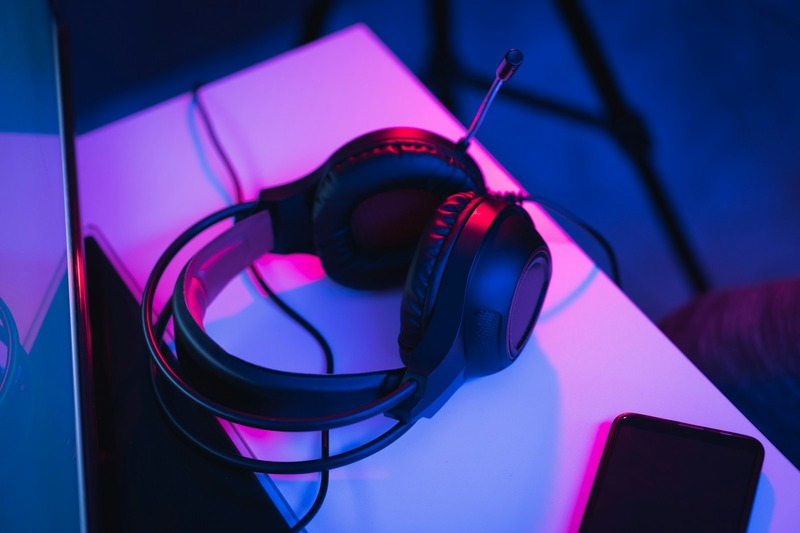
You need closed-back headphones for cueing. The Audio-Technica ATH-M50x are the industry standard for a reason. They’re durable, they isolate well, and they sound neutral. They’re affordable and last for years. Don’t buy $20 headphones. You’ll miss your cue. Browse closed-back DJ headphones for reliable options.
Cables
Buy a decent pair of RCA cables and a quarter-inch adapter. Don’t get the cheapest cables from a dollar store. They’ll pick up interference. A $15 set of decent cables will save you from feedback and noise issues.
Laptop Stand
A good stand keeps your laptop at eye level and frees up desk space. The Pyle PLLPSTND is cheap and effective. Or get a folding stand for mobile gigs. Check laptop stands for DJs to find the right one.
Speakers
Don’t use computer speakers. It’s not about volume, it’s about accuracy. Get a pair of monitor speakers like the KRK Rokit 5 or JBL 305P MkII. They’ll help you hear your mix properly. For beginners, a single powered monitor is fine if you’re on a tight budget.
Carrying Case
If you plan to take your controller anywhere, get a case. A padded bag or a hard flight case will protect your investment. A $40 bag is better than a $300 controller with a cracked screen. Search for your controller model + —carrying case— on Amazon. For general protection, look for DJ controller carrying cases.
Final Verdict: Which One Should You Buy?
Here’s your decision tree:
- Total beginner on a tight budget: Hercules Inpulse 300 MK2. It’s cheap, it works, and you can learn the basics. Just expect to upgrade within a year.
- Future-proof investment: Pioneer DJ DDJ-FLX4. It’s the standard for a reason. It works with both rekordbox and Serato. It sounds good. It feels good. It’ll take you from bedroom to bar.
- Interested in scratching: Pioneer DJ DDJ-REV1. It’s the most affordable way to learn turntablism without buying turntables.
- Want to travel light: Numark DJ2GO2 Touch. Tiny, powerful, and unlocks Serato DJ Pro. Perfect for laptop DJs.
- Want standalone operation: Denon DJ Prime Go. Expensive, but you don’t need a laptop. Great for mobile gigs.
The best DJ controller for beginners in 2025 is the one that matches your software, your budget, and your ambitions. Start with a solid two-channel controller. Learn the basics. Then upgrade when you outgrow it.
Now, go check current prices on Amazon. The FLX4 and the Inpulse 300 MK2 are often on sale. Don’t overthink it. Pick one, get it home, and start mixing. That’s where the real learning happens.