Introduction
Finding reliable DJ lighting on a mobile DJ budget is a genuine headache. You need gear that doesn’t look cheap, won’t fail at the one wedding that could lead to regular bookings, and still fits in the trunk alongside your speakers and controller. The market is flooded with sub-$500 lights, but separating the gear that will last from the units that overheat or develop a flicker after a few gigs takes some digging. This article covers the best DJ lighting under $500 for mobile DJs, part-timers, and wedding entertainers who need real-world performance without the flagship price tag. These are fixtures that balance output, portability, and durability—because a light that dies mid-set is worse than no light at all.
What to Look for in Sub-$500 DJ Lights
Before you start adding units to your cart, you need to understand the specs that actually matter for mobile work. Brightness is not just about lumens—beam angle is just as critical. A narrow 15-degree beam might look intense on a shelf but leaves a dance floor patchy. For most wedding and small club scenarios, you want a beam angle between 25 and 40 degrees for wash lights. Moving heads with gobos benefit from tighter beams, but your pars should spread.
Durability is non-negotiable. At this price point, many lights come in plastic housings with flimsy mounting brackets that snap if you look at them wrong. Prioritize units with metal brackets and heat sinks that don’t rely solely on loud fans. Speaking of fans—cheaper lights often have noisy cooling systems that can ruin a quiet dinner set or get picked up by a lavalier mic.
Control options vary widely. Sound-active mode is fine for a bar gig, but if you start doing more structured events, you will want DMX control. Look for lights that support standard 3-pin DMX and have a master/slave mode. Power draw matters too, especially if you daisy-chain multiple units. Stick to lights that draw under 100W per unit to avoid tripping breakers on standard 15A circuits. Finally, do not ignore the warranty. Many Chinese import lights have terrible support—spend a bit more for a brand that actually honors its warranty, even if it means getting one fewer fixture. For those just starting out, searching for DMX controllers early on can help future-proof your setup.
The Top 5 Best DJ Lighting Under $500
These are the units I have used, seen fail, or watched perform reliably across hundreds of gigs. They are not the flashiest, but they are the ones I would trust with my own income.
1. ADJ Mega Tripar Profile (Wash Light)
Price: Around $120–$150 per unit
- Pros: Excellent color mixing with amber and white LEDs for accurate pastels and warm tones. Beam angle is 25 degrees, which works well for uplighting walls or washing a dance floor. Build quality is decent for the price—metal bracket, good heat management.
- Cons: DMX addressing can be fiddly if you are not familiar with dip switches. The fan is audible but not intrusive.
- Best for: Wedding uplighting and as a reliable par can for mobile rigs. Buy three or four and you have a solid setup for under $500.
2. Chauvet Intimidator Spot 255 IRC (Moving Head)
Price: Around $450–$500
- Pros: Solid moving head with gobos, prism, and color wheel. The IRC remote control is useful for quick adjustments during setup. Build feels robust for the price point.
- Cons: Motors can be noisy during fast movements. DMX control is essential for syncing multiple units—sound-active mode is mediocre.
- Best for: Mobile DJs who need one moving head for impact at bar gigs or small clubs. It is the best moving head you can get without crossing the $500 threshold.
3. Eliminator Lighting E-Color 250 (Wash Light / Budget Pick)
Price: Around $80–$100 per unit
- Pros: Incredibly cheap for a 250W equivalent par. Decent color range, simple operation. Good for house parties or as a backup light.
- Cons: Plastic bracket is fragile—I have seen two snap during transport. Color mixing is not as accurate as the ADJ. Heat builds up fast; do not run these at full power for hours in a hot room.
- Best for: DJs on a very tight budget building their first rig. Pair with one better-quality light to anchor the setup.
4. ADJ Vizi Beam 5RX (Effect Light)
Price: Around $250–$300
- Pros: Compact, bright beam effect with rotating gobos and prism. Great for adding movement to a static wash setup. Motor control is precise enough for beam-shaping tricks.
- Cons: Limited to beam effects—it will not wash a room. Fan noise is noticeable.
- Best for: Adding texture to a larger rig. Place one on each side of the booth for a dynamic look.
5. Chauvet DJ GigBar 2 (All-in-One System)
Price: Around $350–$400
- Pros: Comes with four LED pars and two moving heads on a single tripod stand. Pre-programmed color chases and sound-active modes work out of the box. Setup time is under 10 minutes.
- Cons: The tripod stand is not the sturdiest—use sandbags on the base. Output is mediocre for larger rooms. Moving heads are basic, with limited range of motion.
- Best for: Entry-level mobile DJs who want a complete lighting solution in one box. Also works as a backup system.
Budget Strip Lights: ADJ Mega Tripar Profile vs. the Alternatives
Par-style wash lights are the backbone of most mobile DJ lighting rigs. You use them for uplighting walls, washing the dance floor in color, and creating ambiance during dinner sets. The ADJ Mega Tripar Profile is the benchmark in this category for a reason. It offers accurate color mixing thanks to the amber and white LEDs, something cheaper units like the Eliminator E-Color 250 lack. That extra color range matters when a bride wants a soft lavender wash on the walls—cheaper lights turn it purple or pink because the white LED is missing.
The build quality difference is also significant. The ADJ bracket is metal and handles being thrown in a flight case. The Eliminator’s plastic bracket is a known failure point. If you are loading in and out weekly, spend the extra $30 per unit and get the ADJ. If you are doing one house party a month, the Eliminator might get you by. Just budget for replacing a bracket eventually.
Control-wise, the ADJ has 9 DMX channels for granular control over color, dimmer, and strobe. The Eliminator has basic DMX but is simpler to set up. For mobile DJs, the ADJ is the clear winner—better color, better build, better control. You can start with two of these and add more later.
Moving Head Lights on a Mobile DJ Budget
This is the hardest category to get right at this price point. A decent moving head traditionally starts at $600 and quickly climbs into four figures. The Chauvet Intimidator Spot 255 IRC is about as good as it gets under $500, but it comes with caveats. The motors are not quiet—if you run them during a speech, people will hear the pan/tilt servos. The gobos are fine, but the prism can be fragile if you drop the unit. I always buy these from a retailer with a solid return policy, because QA on budget moving heads is inconsistent.
If you want a smaller alternative, the ADJ Inno Pocket Spot is worth considering. It has fewer features but is more compact and slightly quieter. The downside is lower brightness—you lose impact in a medium-sized venue. My advice: buy one good moving head before you buy a second mediocre one. One Chauvet Intimidator placed above a dance floor creates way more atmosphere than two cheap beam effects that keep failing. If durability is a concern, look for lighting stands that can support the additional weight.
Lighting Packages: The GigBar Approach
The Chauvet DJ GigBar 2 is the poster child for all-in-one lighting systems under $500. It solves a real problem: setup time. For mobile DJs who need to be in and out quickly, having a single tripod stand with all lights pre-mounted is genuinely useful. The built-in color chases and sound-active modes mean you do not need a separate controller for basic gigs.
But there are tradeoffs. The tripod stand is not rated for heavy use or outdoor wind. I have seen these wobble dangerously on uneven surfaces. Output is also a concern—in any room larger than 3,000 square feet, the lights look weak. The moving heads on the GigBar 2 have limited tilt range, so you cannot position them independently as well as you could with separate fixtures.
Who should buy this? Entry-level DJs doing small bars and house parties. Also useful as a backup system for when your main rig has an issue. It is not the right choice for professional wedding DJs who need robust gear and adjustable placement.
Sound-Active vs. DMX: Which Control Method Works Best for You?
Sound-active mode is convenient and requires no extra gear, but it is unreliable for anything beyond basic gigs. The mic on the light picks up ambient noise, so during a speech or quiet song, the lights might change color or shut off. If you have a drummer, the lights pulse with the bass drum—whether you want it or not. This looks chaotic during slow dances or dinner sets.
DMX control gives you precision. You can program scenes for different parts of the evening: a static warm wash for dinner, a slow color fade for the first dance, and a fast strobe for the peak hour. The downside is the extra gear and setup time. You need a DMX controller (or software like the ADJ MyDMX 2.0) and proper cables. Budget around $100–$150 for a decent entry-level controller. DJs who prefer a wired approach might look into DMX cables to ensure reliable signal.
For mobile DJs, a hybrid approach works best. Use sound-active mode for quick bar gigs or when you do not have time to program. For weddings, anniversaries, or corporate events, bring a DMX controller and set up scenes. The investment pays off quickly when clients notice the show is actually choreographed to the music.
Real-World Mistakes to Avoid When Buying Budget DJ Lights
Mistake #1: Ignoring beam angle. A tight beam on a moving head impresses on a YouTube demo but leaves a 20-foot dance floor dark. Always check the beam angle specs for your venue size.
Mistake #2: Buying based on videos. Phone cameras struggle to show real brightness. A light that looks blinding in a video might be underwhelming in a lit ballroom. Read real user reviews from DJs, not Amazon Vine program members.
Mistake #3: Overlooking weight. A single light might be 8 lbs, but four lights plus stands plus cables adds up fast. If you are hauling gear by yourself, stick to lights under 10 lbs each.
Mistake #4: Not checking connector types. Some budget lights use proprietary power connectors or lack DMX ports entirely. Stick to IEC power cables and 3-pin DMX connectors so you can mix and match brands.
Mistake #5: Assuming all DMX cables are equal. Cheap DMX cables with thin wire and flimsy connectors cause signal drops or flickering. Buy mid-range cables from a reputable brand—they last years.
Setting Up a Sub-$500 Lighting Rig: Practical Tips
Start with placement. Elevate your lights at least 6–7 feet off the ground for wash effects—mounting on speaker stands is common. Angle the lights so they cross over the center of the dance floor. Avoid pointing them directly at the DJ booth or speakers. If there are stage lights or natural windows, position your lights to complement them, not fight them.
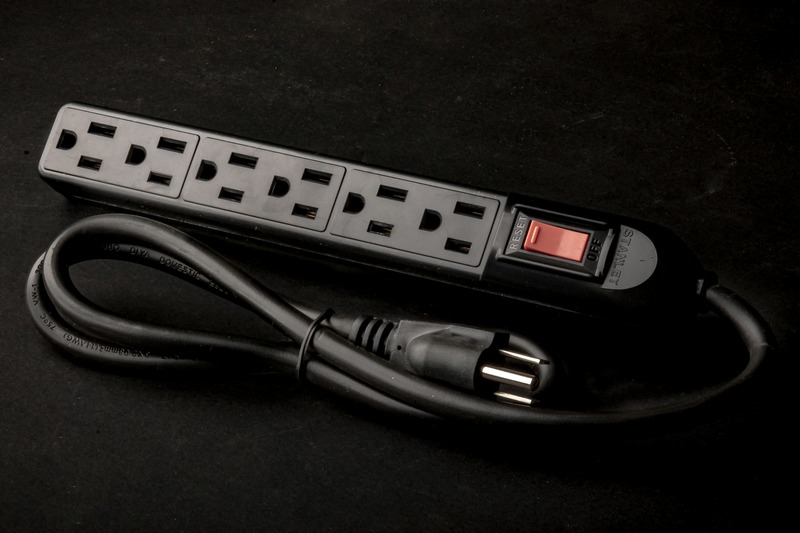
Power management is critical. Do not daisy-chain more than 3–4 lights on a single circuit unless you have verified the total draw. Use a power conditioner to protect against voltage spikes. Cable management matters: use velcro straps to bundle loose cables and avoid trip hazards near the booth. Always carry a few extra extension cords and a ground lift adapter for tricky venue outlets.
Safety checklist for a site visit: measure ceiling height (are your stands tall enough?), check power outlet locations (can you reach them without extension cords?), and note ambient light levels (daytime windows or bright dining areas wash out weak lights). A well-placed cheap light looks better than a poorly-placed expensive one, every time.
Lighting for Different Gig Types: Weddings, Bars, and Parties
For weddings, the priority is atmosphere, not intensity. Use par cans with warm amber and soft lavender for uplighting walls. Avoid strobe effects entirely—older guests and those with photosensitivity will thank you. A single moving head with a slow gobo rotation on the dance floor adds class without being distracting.
For bars and clubs, you want energy. Moving heads and beam effects are your friends. Watch fan noise—some club sound systems pick up cooling fans on microphones. Many bars also have low ceilings, so consider compact lights that mount on shelves or truss systems.
For small house parties, keep it simple. Two pars on stands and one sound-active moving head is overkill for a living room. Use one par can on a table as a wash and leave it on a static color. Sound-active mode is fine here, but be ready to switch it off if people start talking louder.
The Verdict: What’s the Best DJ Lighting Under $500 Right Now?
If I had to recommend one setup for a mobile DJ building a first rig, it would be four ADJ Mega Tripar Profile units. At about $120 each, you get a solid wash setup for weddings and bars. That leaves you $20 for cables. The Chauvet GigBar 2 is the runner-up if you prioritize setup speed and portability. For moving heads, the Chauvet Intimidator Spot 255 IRC is the only real option under $500, but only buy it if you have a DMX controller. Ultimately, “best” depends on your specific gig mix—wedding DJs should focus on pars, bar DJs should invest in moving heads and beams.
Frequently Asked Questions About Budget DJ Lights
Can I use standard extension cords for lighting? Not if you can avoid it. Standard extension cords lack surge protection and can cause voltage drops over long runs. Use a power conditioner or a heavy-duty 12-gauge extension cord rated for the total load. A good option to consider is a power conditioner to protect your equipment.
How many lights do I need for a 100-person wedding? Two to four par cans for uplighting walls and one moving head for the dance floor is sufficient. Avoid under-lighting—better to have four smaller fixtures than two that cannot cover the space.
Are off-brand lights from Amazon worth the risk? Only if you read three-month and one-year reviews, not just launch week reviews. Even then, expect inconsistent quality. Stick to brands with known customer support like ADJ, Chauvet, or Elation.
Do I need a lighting controller? Not for sound-active gigs, but for weddings and corporate events, yes. A simple controller like the Chauvet DMX-4 or software like ADJ MyDMX 2.0 allows you to program scenes that match the event flow.
Final Thoughts: Lighting Smart on a Mobile DJ Budget
Good lighting does not require spending over $500 per fixture, but it does require research and realistic expectations. Start with two quality wash lights, learn how to place them properly, and add moving heads or beam effects as you earn more from gigs. Upgrade over time, focusing on build quality and control precision. Your clients will notice the difference between a haphazard setup and one that actually accents the room. Check the current prices on our top picks below if you are ready to build a lighting rig that works.