
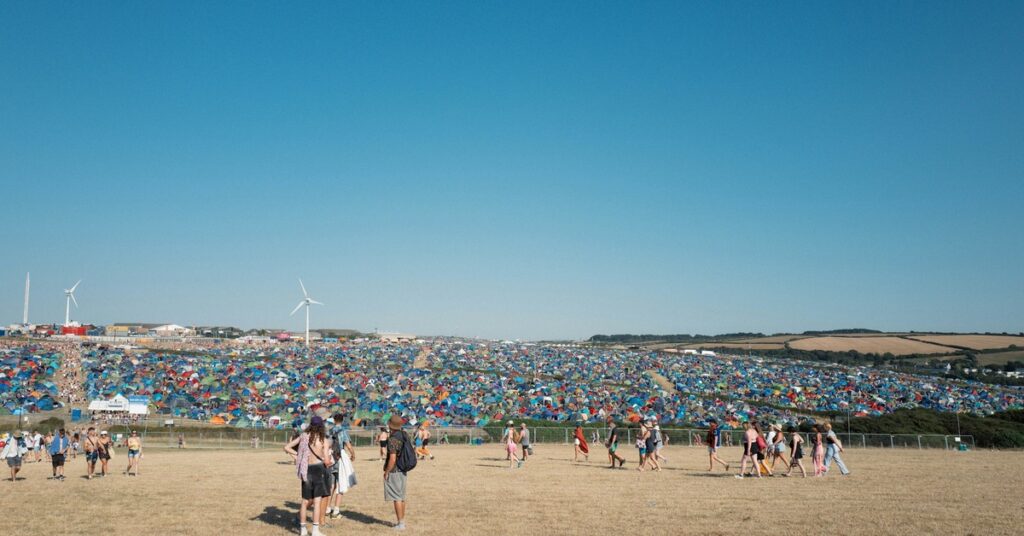
Camping at Festivals: Gear Checklist for Music Lovers
Heading to a multi-day music festival and planning to camp? The difference between a legendary weekend and a miserable one often comes down to a few key pieces of gear. You don’t need to bring your entire house, but you do need to be smart about what you pack. This festival camping gear checklist comes from real-world experience—the kind you only get after a few muddy, sleep-deprived lessons. We’ll cover the essentials, the trade-offs, and the common mistakes that can derail your trip. Whether you’re a first-timer or a seasoned veteran looking to refine your setup, this guide will help you arrive prepared so you can focus on the music.
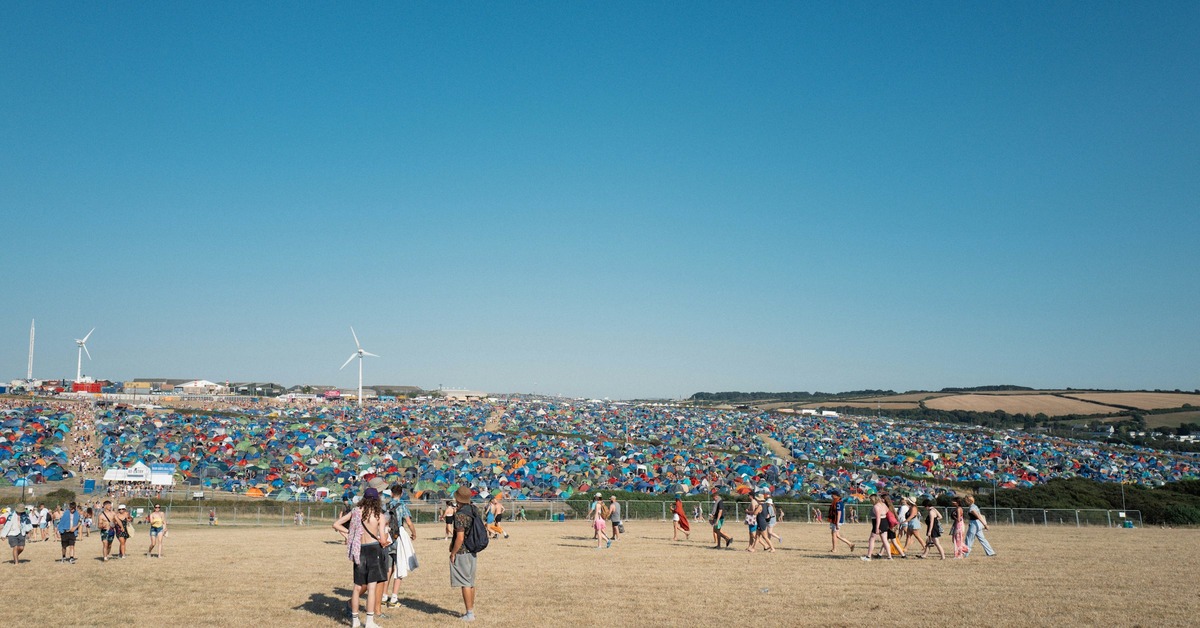
Sleep System: Shelter and Bedding for Festival Conditions
Your sleep setup is the single most important part of your camp. If you don’t sleep, you won’t enjoy the sets, and you’ll be a cranky camper by day two. Let’s break down the critical pieces.
Your Tent: A quick-pitch or pop-up tent is your best friend at a festival. You’ll arrive tired, sometimes in the dark, and you don’t want to be fumbling with poles. Avoid the cheapest dome tent from a big-box store—it will likely leak and not hold up to wind. Those looking for an easy setup may want to consider a quick-pitch tent from a reputable brand. A canopy or tarp over your tent can also save you from morning sun and light rain, but it’s not a replacement for a proper rain fly.
Bedding: An air mattress is comfortable but takes time to inflate and can be noisy. A self-inflating sleeping pad is more compact and reliable, and it insulates you from the cold ground. A cot elevates you off the ground, which helps with temperature and moisture, but it’s bulky. Whichever you choose, always use a ground tarp or footprint under your tent to prevent moisture from seeping in. A sleeping bag rated for the overnight low is essential—don’t rely on blankets. And don’t forget a pair of earplugs. You’ll need them for the main stage volume, but more importantly, for blocking out your neighbor’s snoring or late-night conversations.
Audio Gear: Protecting Your Ears and Your Vibe
This section is about more than just listening to music. It’s about preserving your hearing and managing your environment.
Earplugs: High-fidelity earplugs like Eargasm or Loop reduce volume evenly without muffling sound. They’re essential for the main stage, but don’t stop there. Use them for sleeping, too. Standard foam earplugs work fine for sleep, but the high-fidelity pair will also let you hear conversations clearly in loud environments.
Portable Speaker: A small Bluetooth speaker is great for your campsite, but only if the festival allows them and you keep the volume low. Nobody wants to hear your playlist from three campsites away. A speaker like the JBL Clip is compact, durable, and clips to your bag. For stage sets, bring a pair of wired earbuds as a backup. Bluetooth earbuds are convenient but need charging. A power bank (more on that later) is non-negotiable for keeping your earbuds and phone alive.
Hydration and Food: Staying Fueled and Sober Enough
Festival food is expensive, lines are long, and dehydration is a real problem. Plan ahead.
Water: A collapsible water jug (e.g., Platypus or similar) is lightweight when empty and holds several liters. Many festivals have potable water refill stations. A hydration bladder is great for hands-free drinking during sets, but it’s harder to fill in a crowd. Bring water purification tablets as a backup—if the refill station runs dry or the water tastes off, you’re covered.
Food: Stick to no-cook options: protein bars, peanut butter, trail mix, dried fruit, crackers, and nuts. These are calorie-dense and don’t require preparation. If your festival allows a small camp stove (check their rules first), you can make coffee or tea in the morning, which is a huge morale boost. A common mistake is relying solely on vendor food—you’ll spend a fortune and waste time in lines. Also, don’t forget electrolytes. A packet of electrolyte powder in your water can prevent headaches and cramps.
Clothing and Weather Prep: Layers, Rain, and Mud
Festival weather is unpredictable. You can have blazing sun, a sudden downpour, and a freezing night all in one day.
The Golden Rule: Layers. Start with a quick-dry base layer (no cotton—it stays wet). Add a warm mid-layer like a fleece or light puffy jacket. Top it with a packable rain jacket. A packable rain jacket is worth its weight in the rain. Bring sturdy shoes or hiking boots—sandals are fine for dry days but a nightmare in mud. A common mistake is bringing too many outfits for style and not enough warm layers. Pack one warm outfit for the coldest night and be done with it.
Extra socks are not optional. Merino wool socks (like Darn Tough) wick moisture, prevent blisters, and don’t stink as fast. Bring a plastic bag to store wet clothes separately. And don’t forget a hat for sun protection and a beanie for cold nights.
Sun, Bugs, and First Aid: The Small Stuff That Saves the Trip
These items are small but can make or break your weekend.
Sun Protection: A high-SPF, reef-safe sunscreen is a must. Reapply during the day, especially if you’re dancing in the sun. A reef-safe sunscreen is a solid choice. A wide-brimmed hat and sunglasses are also essential.
Bugs: At dusk, mosquitoes can ruin your evening. A DEET-based repellent works best, but picaridin is effective and less oily. A small bottle in your bag is all you need.
First Aid: A basic kit with band-aids, pain reliever (ibuprofen), blister pads, and antihistamines covers most minor issues. A compact first aid kit is pre-packed and easy to stash. A headlamp with a red light mode is hugely underrated. It keeps your night vision intact and is far less annoying to your neighbors than a bright white flashlight.
Camp Setup and Comfort: Chairs, Tables, and Shade
You’ll spend a surprising amount of time at your campsite. Make it functional.
Chairs: A low-profile camp chair (like the Helinox Chair Zero) is lightweight, compact, and sits low to the ground—perfect for tight campsites. A high-back chair with a cup holder is more comfortable but bulky. Don’t bring a massive folding chair that takes up half your footprint. You’ll regret it.
Table: A small folding table or a simple stool gives you a surface for meals and gear. A roll-up table is easy to pack.
Shade: A pop-up canopy is a game-changer. It provides shade, a dry space in light rain, and a social hub. If your festival doesn’t allow them (some don’t), a large tarp and some paracord can create a shade structure. A ground tarp for your sitting area keeps dirt and mud off your gear.
Common mistake: buying a chair that’s too big for your site. Check the dimensions before you buy.
Power and Connectivity: Keeping Your Phone and Gear Alive
Your phone is your camera, navigation, ticket, and communication tool. Don’t let it die.
Power Bank: A high-capacity power bank (20,000 mAh or more) will charge your phone 3-4 times. Look for one with multiple ports and fast charging. Brands like Anker are reliable. Festival charging stations are slow, crowded, and a prime target for theft. Your own power bank is non-negotiable.
Solar Charger: A small solar panel (like the Goal Zero Nomad) can top off your power bank during the day, but it’s not a primary solution—cloudy weather and slow charging limits its effectiveness. It’s a backup, not a main source.
Accessories: Bring a multi-cable (USB-C, Lightning, micro-USB) and a spare cable. If you’re at an international festival, a universal travel adapter is smart.
Packing and Transportation: Making It All Fit and Carry Easily
Getting your gear from the car to your campsite is often the first challenge.
Luggage: A large duffel bag is easy to pack and carry, but a backpack is better if your site is far from parking. A folding wagon (like a Mac Sports Collapsible Wagon) is a lifesaver for hauling gear—if the festival allows them. Check their policy before you buy one.
Organization: Packing cubes keep your clothes and gear organized. Label them if you’re sharing a tent. A common mistake is packing too heavy and having to make multiple trips. Be ruthless: if you don’t use it most days, leave it home. A printed packing list or a simple list on your phone saves time and stress.
Emergency and Backup Items: When Things Go Wrong
These are low-probability, high-impact items.
Valuables: A waterproof pouch for your phone and cash is cheap insurance. A small dry bag works. Stash some emergency cash—card readers sometimes fail.
Tools: Extra tent stakes (the ground can be hard or surprisingly soft), a roll of duct tape (for tent repairs, gear fixes, or even first aid), and a spare car key (hidden on your person or in your bag). A headlamp is better than a flashlight because it leaves your hands free.
Communication: If your phones die and you’re separated from your group, a set of walkie-talkies can save you. Or, agree on a designated meeting spot before you scatter. It’s a simple fix that people forget every time.
The Five Most Common Festival Camping Mistakes (And How to Avoid Them)
After a few festivals, you see the same errors repeated. Here’s how to sidestep them.
1. No Shade Structure. A tent bakes in the sun by 8 AM. Without a canopy or tarp, you’ll be miserable by noon. Bring one, even if it’s small.
2. Forgetting Earplugs. You need them for sleep, for loud stages, and for quiet moments. A cheap pair of foam plugs is better than nothing, but high-fidelity plugs are superior.
3. Packing Too Much Clothing, Too Little Food/Water. You end up sweaty, hungry, and dehydrated. Prioritize a few versatile layers, calorie-dense food, and a solid water setup.
4. No Plan for Rain or Mud. Even a light rain turns dirt into mud. A rain jacket and waterproof boots (or at least sturdy shoes) are non-negotiable.
5. Unprepared for Temperature Swings. Daytime heat can drop to near-freezing overnight. Pack a warm layer and a beanie, even if the forecast looks warm.
Each of these mistakes is fixable with a little pre-planning. The gear you need is in this checklist.
Checklist: The Quick Reference for Packing Your Gear
Here’s a digestible summary of everything we’ve covered. Use this as your packing prompt.
- Tent (quick-pitch preferred)
- Ground tarp/footprint
- Sleeping bag (rated for overnight low)
- Sleeping pad or cot
- Pillow (or packed clothes)
- Earplugs (high-fidelity for music, foam for sleep)
- Portable Bluetooth speaker (if allowed)
- Wired earbuds/headphones (backup)
- Power bank (20,000 mAh+) and cables
- Collapsible water jug or hydration bladder
- Water purification tablets (backup)
- No-cook food (protein bars, trail mix, peanut butter)
- Small camp stove for coffee/tea (if allowed)
- Electrolyte packets
- Quick-dry base layers
- Warm mid-layer (fleece/puffy)
- Packable rain jacket
- Sturdy shoes or hiking boots
- Extra socks (merino wool preferred)
- Hat (sun) and beanie (cold)
- Sunscreen (reef-safe)
- Bug repellent
- Compact first aid kit
- Headlamp with red light
- Camp chair (low-profile)
- Small table or stool
- Pop-up canopy or tarp for shade
- Ground tarp for sitting area
- Duffle bag or backpack
- Folding wagon (if allowed)
- Packing cubes for organization
- Waterproof pouch for valuables
- Emergency cash
- Extra tent stakes
- Duct tape
- Spare car key
- Walkie-talkies or designated meeting spot
Save this list, print it, or keep it on your phone. It covers everything you need.
Final Thoughts
Festival camping doesn’t have to be a disaster. With the right preparation, you can turn your campsite into a comfortable base camp and focus on what matters: the music and the experience. This festival camping gear checklist is the result of trial and error, so you don’t have to make the same mistakes. Plan ahead, pack smart, and enjoy the show. If you’re looking to grab any of the gear we discussed, browsing recommended items can save time and ensure you’re getting proven equipment.