
How to Choose the Right Festival for You: A Quick Framework
Before diving into the list, let’s be honest about what matters. The best electronic music festivals world have to offer isn’t about hype or Instagram moments’it’s about finding the event that fits your specific taste, budget, and tolerance for discomfort. I’ve attended and produced at most of these events over the past decade, and the biggest mistake I see is people booking based on a poster rather than understanding the reality of the experience.
Here’s what you need to consider:
- Genre preference: Techno purists will hate Ultra. Big-room fans will be bored at Awakenings. Match the lineup philosophy to your taste, not just the headliners.
- Travel budget: Tomorrowland with full Dreamville package and flights from the US can run $2,000+ per person. Movement in Detroit might cost $800 all-in. Be honest about what you can spend.
- Crowd tolerance: Some festivals pack 60,000 people a day. Others cap at 5,000. Both are valid’just know yourself before booking.
- Lodging style: Camping festivals require gear, tolerate weather, and demand physical stamina. City festivals let you sleep in a real bed but add commute time and cost.
- Season and location: December in Portugal is warm. June in the Netherlands is not. Check historical weather data before packing.
Use this as your filter. If you know your genre, your budget, and your crowd tolerance, the right pick becomes obvious.
1. Tomorrowland (Belgium)’ The Gold Standard
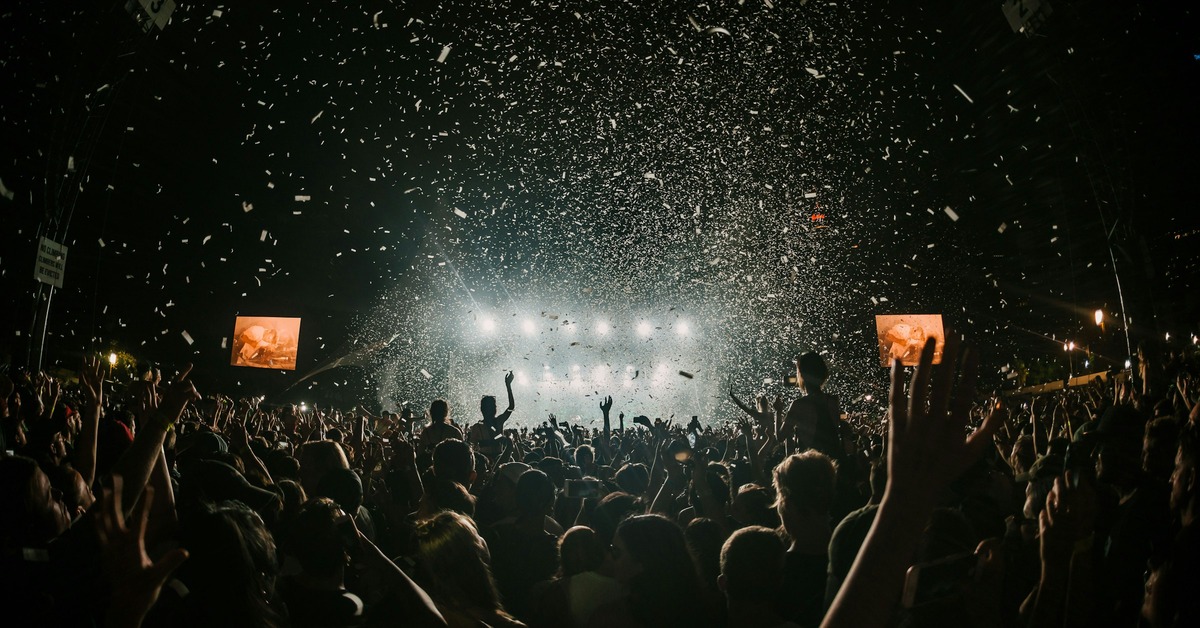
Tomorrowland is the benchmark every other festival gets compared to, and for good reason. Held in Boom, Belgium, it runs for two weekends in July (typically). The production is absurd’massive mainstage, multiple themed stages, fireworks, and a level of design that feels like a permanent theme park built for one month a year.
The reality check: Tickets go through a lottery system that sells out in minutes. You’ll likely need to register months in advance and pray. Dreamville camping adds to the experience but is not luxury’think crowded tents, shared showers, and early morning noise. Hotels in Antwerp or Mechelen are easier but expensive and require a shuttle each day.
The lineup is broad’mainstage EDM, house, techno, trance’but the smaller stages (like the Crystal Garden or the Atmosphere) are where the real curation lives. If you go, don’t spend all day at the mainstage. You’re paying for the full experience.
Best for: First-timers wanting the full spectacle. Avoid if: You hate massive crowds (60,000+ per day) or have a tight budget.
Gear worth considering: Good noise-cancelling earplugs (the sound is loud for days), a festival hydration pack to avoid $6 water bottles, and a power bank with at least 20,000 mAh capacity.
2. Movement Festival (Detroit, USA)’ Techno’s Spiritual Home
Movement is the anti-Tomorrowland. No theme park vibes, no fairy-tale staging, no Instagram fantasy. What you get is three days of the world’s best techno and house curators playing in Hart Plaza, a concrete park on the Detroit River. The lineup is deeply curated by Paxahau, and it shows’deep cuts, rare B2B sets, and artists you won’t see on mainstream lineups.
The afterparties are where Movement truly shines. Official and unofficial events run across Detroit warehouses and clubs until Monday morning. The city itself has a raw, post-industrial energy that fits the music perfectly.
Logistics: Hotels are affordable compared to Miami or Barcelona. Stay downtown or in Midtown. Car is useful for afterparties, but ride-share works if you plan ahead. Safety isn’t a major issue in festival areas, but standard urban caution applies.
Best for: Techno purists on a moderate budget. Avoid if: You expect Tomorrowland-level production or big-room EDM.
Gear worth considering: Comfortable walking shoes (Hart Plaza is concrete, and you’ll walk miles between stages and afterparties), and a portable charger that can handle a full day.
3. Sonar (Barcelona, Spain)’ Where Music Meets Tech
Sonar is unique because it splits into two distinct experiences: Sonar by Day (a conference and expo about music technology) and Sonar by Night (a full concert series). The daytime component is genuinely useful if you produce music or work in the industry’think workshops, gear demos, and networking. The nighttime is a curated mix of electronic, experimental, and leftfield acts across multiple venues.
Barcelona makes logistics easy. Great public transport, good food, affordable accommodation if you book early, and the festival isn’t in a field’it’s in the city. The main downside is pickpocketing in tourist areas, so keep your phone and wallet in a secure front pocket.
Best for: Music producers, tech enthusiasts, and anyone wanting a non-camping urban festival. Avoid if: You want a multi-day camping experience with 24-hour music.
Gear worth considering: A lightweight daypack for carrying gear between venues, and high-quality in-ear monitors if you plan to attend multiple days.
4. Ultra Music Festival (Miami, USA)’ Mainstage Energy
Ultra is the EDM flagship. Bayfront Park in downtown Miami, massive mainstage, and a lineup built around big-room, progressive house, and bass music. It anchors Miami Music Week, meaning the entire city turns into a festival with hundreds of club shows and pool parties.
The weather is brutal’hot, humid, with afternoon thunderstorms common. The venue is mostly concrete and asphalt, so the heat radiates. VIP is worth considering if you want shade and better sightlines, but GA is fine if you prepare properly.
Best for: Big-room fans, first-time international festival goers, and anyone who wants a vacation-plus-festival combo. Avoid if: You prefer underground sounds or smaller crowds.
Gear worth considering: A portable fan or mister, UV-protection clothing, and high-quality earplugs for mainstage volume.
5. Awakenings (Netherlands)’ Techno’s Marathon Weekender
Awakenings is the camping techno festival. Held in Hilvarenbeek, it runs for three days with top-tier Funktion-One sound systems across multiple stages. The sound quality is genuinely exceptional’this is a festival designed for audio fidelity, not spectacle.
The practical side: camping is essential, and you need to plan for Dutch weather. Rain is likely. Mud is possible. Bring proper waterproof gear and a tent that doesn’t leak. Camping gear rental is available if you fly in, but it costs more and isn’t always high quality.
The crowd is serious about techno. This isn’t a place for casual listeners. If you’re there for the music and the sound, it’s unmatched. If you need constant visual stimulation or varied genres, it will feel monotonous.
Best for: Dedicated techno fans wanting a complete camping festival. Avoid if: You need variety in genre or dislike camping in rain.
Gear worth considering: Waterproof pants and jacket, a tactical flashlight, and camping essentials like a sleeping pad and dry bags.
6. BPM Festival (Portugal)’ Extended Winter Escape
BPM moved to Portugal after its Mexico chapter ended, and it’s found a solid home along the Algarve coast. It’s a multi-venue format’clubs, bars, and outdoor spaces spread across towns like Portimao and Lagos. The winter timing (January) is the key advantage: you get warm weather and an escape from cold climates.
The production is professional, but the experience is closer to a club crawl than a single-site festival. You’ll move between venues each day, which means more walking and more logistics. Renting a car or using ride-share is almost essential to make the most of it.
Best for: Those wanting a vacation-festival hybrid in winter. Avoid if: You prefer single-site festivals with all activities in one place.
Gear worth considering: A rental car (book ahead, rates spike during the event), travel insurance for peace of mind, and a portable speaker for pre-parties.
7. Electric Daisy Carnival (Las Vegas, USA)’ The Spectacle
EDC Las Vegas is massive. The Las Vegas Motor Speedway becomes a city of rides, art installations, fireworks, and seven stages running all night. It’s loud, bright, and aggressively energetic. The music leans toward house, bass, and trance, but the real draw is the carnival atmosphere’this is a festival as theme park.
Logistics: fly into LAS, stay on the Strip (shuttles run constantly), and prepare for extreme heat during the day and cool desert nights. Hydration is non-negotiable. The venue provides free water stations, but you need a hydration pack or reusable bottle.
Best for: Those seeking an immersive carnival experience. Avoid if: You have low heat tolerance or prefer quiet, curated events.
Gear worth considering: Cooling towels, electrolyte packets, and a comfortable hydration pack that doesn’t bounce while dancing.
8. Time Warp (Germany)’ The Indoor Marathon
Time Warp at the Mannheim Maimarkthalle is legendary for sound and lighting. It’s a single-night event (or two nights depending on the year) that runs from early evening to late morning. The focus is on techno and house with a curated lineup that rotates between well-known names and underground selectors.
The indoor format means no weather concerns, but it also means no camping and no outdoor stages. You’re inside a large hall with multiple rooms, and the crowd is serious about dancing. The afterparties in Mannheim and nearby cities extend the experience if you have the stamina.
Best for: Weekend trips combining a festival with city exploration. Avoid if: You want a multi-day camping festival.
Gear worth considering: Sound-isolating headphones or good earplugs for indoor acoustics, and comfortable event clothing that keeps you warm during late-night transit.
9. Creamfields (UK)’ UK’s Dance Music Institution
Creamfields in Daresbury, near Liverpool, is the UK’s premier dance music festival. The lineup blends EDM, techno, house, and drum and bass across multiple tents, with a strong emphasis on UK steerage acts. It’s more affordable than Tomorrowland, easier to get tickets for, and has a more casual, less polished vibe.
Camping options range from general to luxury, and UK weather demands planning. Pack for rain and mud. The site can get messy. Public transport from Liverpool and Manchester is manageable, but driving gives you more flexibility for afterparties.
Best for: UK-based fans or those wanting a cheaper alternative to Tomorrowland. Avoid if: You prefer fully clean modern facilities or need perfect weather.
Gear worth considering: Wellington boots, a high-quality poncho, and a comfortable camping chair for rest periods.
10. Lost Village (UK)’ The Intimate Curated Experience
Lost Village is different. Held in Lincolnshire woodlands, it’s small (a few thousand people), immersive, and focused on curation and production design. Stages are built into the forest, lighting is low-key, and the lineup leans toward house, disco, and leftfield electronic. It feels more like an adult gathering than a rave.
Capacity is capped, which means higher ticket prices and a more mature crowd. Camping is on-site and well-organized, with food and drink options that are better than most festivals. The vibe is relaxed, the production is tasteful, and the focus is on the experience rather than spectacle.
Best for: Seasoned festival goers wanting something different. Avoid if: You need big names, cheap tickets, or high-energy mainstage antics.
Gear worth considering: High-end camping gear for comfort, fairy lights for campsite atmosphere, and a portable coffee maker for morning convenience.
Beyond the Big 10: Honorable Mentions Worth Your Time
If the above don’t fit, these are worth a look:
- Dekmantel (Amsterdam, Netherlands): Techno and experimental in a forested park with impeccable curation and sound.
- Bass Canyon (George, Washington, USA): Heavy bass and dubstep in a natural amphitheater with strong production quality.
- Fusion (Lärz, Germany): Indie-electronic fusion with a radical DIY ethos and low prices.
- Gottwood (Anglesey, Wales, UK): Small, intimate, and focused on house and techno with a loyal following.
- Sunwaves (Mamaia, Romania): Minimal techno and microhouse on the Black Sea coast’pure dance floor for hardcore fans.
Packing for the Fest: What Actually Gets Used vs. What Sits in the Bag
After attending two or three of these, you learn what matters. Here’s the shortlist from experience:
- Hydration pack: Water bottles get lost or run out. A pack you can refill at stations saves money and keeps you hydrated.
- Earplugs: Non-negotiable. Protect your hearing. Hi-fidelity ones preserve sound quality while reducing volume.
- Power bank (20,000+ mAh): Your phone dies quickly with GPS, photos, and finding friends. This gets you through a full day.
- Zip-lock bags: For rain protection. Keep phone, wallet, and valuables dry during sudden downpours.
- Comfortable shoes: Break them in before leaving. Blisters on day one ruin the whole trip.
- Wet wipes: Showers are limited or crowded. Wipes keep you fresh without waiting in line.
- Bandana or buff: Useful for dust, sun protection, or cooling when wet.
- Frozen water bottles: Freeze a couple before camp. They thaw during day one and keep your cooler cold.
The One Mistake Most First-Timers Make and How to Avoid It
The biggest error I see is not planning the recovery day. People book flights for Monday morning after the festival ends, then wonder why they’re exhausted, dehydrated, and struggling to make it to the airport. Afterparties often run until dawn, and your body is running on adrenaline and bad sleep.
Book your return flight for Monday evening or Tuesday. Give yourself a buffer day to sleep, hydrate, and pack properly. If you’re camping, factor in tent take-down time. If you’re in a city, plan a slow morning with a proper meal. It costs a little more in accommodation but saves your entire post-festival week.
Hydrating during the event is the other part of this. Drink water between every alcoholic or caffeinated drink. It’s boring advice, but it’s the difference between a great memory and a miserable final day.
Final Gear & Budget Checklist Before You Book
Pick your festival based on genre and budget first. Then, book accommodation early and consider refundable options in case plans change. Travel insurance is worth it for this kind of trip’delays, cancellations, or lost baggage can ruin everything.
Invest in one good item before you go. A solid pair of earplugs or comfortable shoes will pay for themselves many times over. The rest of the gear list above can be budget-friendly if you plan ahead.
Start with one festival that fits your scene and budget. Once you’ve picked, grab the gear above and make it happen. The investment in the right preparation is what separates a good trip from a great one.