
Yamaha HS8 vs KRK Rokit 8: A Fair Fight?
If you’re shopping for 8-inch studio monitors, you’ve likely narrowed it down to two names: the Yamaha HS8 and the KRK Rokit 8. They dominate the conversation for good reason—both deliver serious low-end extension and enough output to fill a medium-sized room. But here’s the thing: they approach that job from completely different angles.
The Yamaha HS8 is built around a philosophy of brutal honesty. It gives you an uncolored, almost forensic view of your mix. The KRK Rokit 8, especially in its current generation (G4), leans into a more forgiving, flattering sound that can be more immediately enjoyable to listen to. One is a tool for dissection. The other is a tool for inspiration.
Which one wins depends entirely on what you need from your monitors. Let’s break down the differences in a way that matters to your actual workflow and your actual room.
Quick Look: Specs and Price
Before we get into the nuances, here is the raw data. Prices fluctuate, but these figures give you a solid baseline for comparison.
- Frequency Response: Yamaha HS8: 38Hz – 30kHz | KRK Rokit 8 G4: 36Hz – 40kHz
- LF Driver: Both use an 8-inch cone. Yamaha uses a white cone. KRK uses its signature yellow Kevlar cone.
- HF Driver: Yamaha HS8: 1-inch dome | KRK Rokit 8: 1-inch Kevlar dome
- Amplifier Power: Yamaha HS8: 120W (75W LF + 45W HF) | KRK Rokit 8 G4: 145W (105W LF + 40W HF) class D
- Bass Port: Yamaha HS8: Rear-firing | KRK Rokit 8: Front-firing
- Dimensions (H x W x D): Yamaha: 15.8″ x 9.9″ x 12.8″ | KRK: 16.7″ x 11.3″ x 13.7″
- Weight (each): Yamaha: 19.2 lbs | KRK: 24.3 lbs
- Approximate Price (pair): Yamaha HS8: $700 – $750 | KRK Rokit 8 G4: $600 – $650
Right away, you see the KRK costs a bit less, weighs more, and has a slightly deeper frequency response spec. But specs only tell part of the story.
Sound Philosophy: Flat vs. Fun
This is the core of the debate.

The Yamaha HS8 is clinically flat. It does not flatter your mix. It reveals flaws. The low end is tight and controlled, but it doesn’t add weight. If your kick drum is boxy, you’ll hear it. If your snare is honky, you’ll hear that too. The midrange is where the HS8 really shines—detailed and articulate, making it a favorite for critical vocal and guitar mix work. The high end is present but not harsh. It’s a monitor designed to help you make good decisions, not to sound impressive on its own.
The KRK Rokit 8 G4 has a different personality. The current generation tightened up the bass compared to older Rokits, but it still has a slightly boosted low end and a smoother top end. The low-mids are a bit more generous, which can make a dense mix sound fuller. But that fullness can also mask mud. The Rokit is more forgiving—it makes rough mixes sound better than they actually are. That’s not necessarily a bad thing if you’re writing and producing, but it can be a liability when you’re trying to dial in a final mix.
There’s also the room factor. The HS8’s rear port means it needs space from the wall to avoid boomy, inaccurate bass. The Rokit’s front-firing port is more forgiving in tight spaces or untreated rooms. We’ll get to that.
Build Quality and Design Choices
Both monitors are built to last, but they take different approaches.
The Yamaha HS8 has a no-nonsense look. Matte black cabinet, white woofer cone, a simple front panel with a volume knob and a room control switch. It’s professional and understated. The cabinet is dense and well-braced. The rear-panel controls—a room control switch and a high trim switch—let you compensate for some basic room issues. The grille is optional and typically sold separately.
The KRK Rokit 8 G4 looks more aggressive. The yellow cone is iconic. The front baffle is curved, which KRK says reduces diffraction. The cabinet is heavier, partly due to the larger internal bracing and the front-firing port design. On the back, you get a more extensive EQ section with a graphic EQ for bass, mid, and high-frequency adjustments. That gives you more control over room interaction than the Yamaha’s simple switches.
A practical consideration: the KRK’s weight means you’ll want sturdy stands. The Yamaha is lighter, making it easier to position on desk stands or wall mounts. Neither is a bad build, but the KRK feels a bit more substantial physically, while the Yamaha feels more deliberate and refined sonically.
Which One Works in Your Room?
This is where many buyers make a costly mistake. The wrong monitor for your room is an expensive error.
Yamaha HS8: The rear port is a blessing and a curse. In a larger, well-treated room with the monitors at least 12-18 inches from the front wall, the HS8 delivers clean, extended bass. But if your desk is pushed against the wall, you’ll get a buildup in the low-mid and bass frequencies that makes your mixes sound boomy. The rear port also means you need to be more careful about corner placement. If your room is small or asymmetrical, the HS8 can be unforgiving.
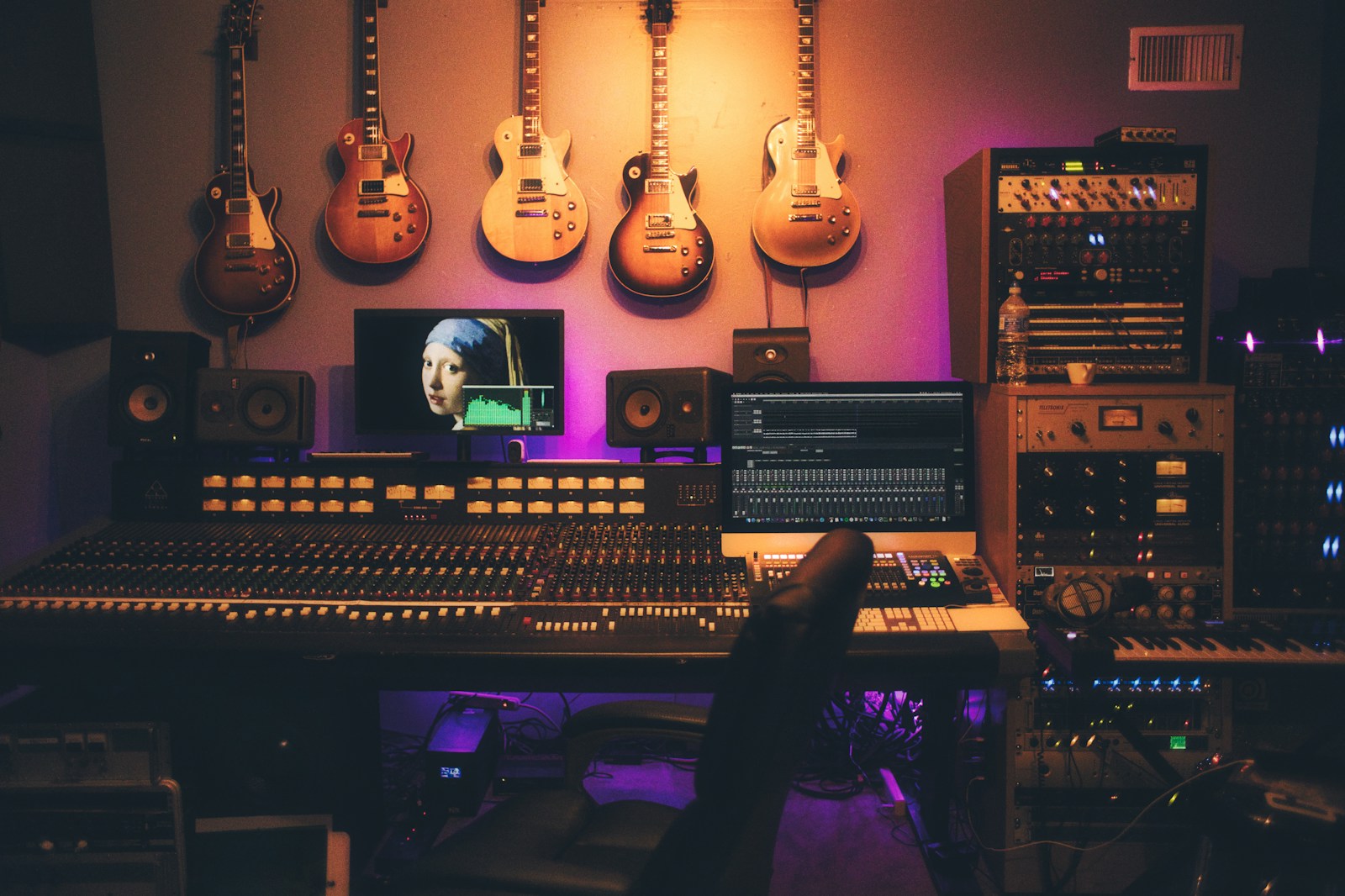
KRK Rokit 8 G4: The front-firing port is a practical advantage in smaller, untreated, or less-than-ideal rooms. You can place these closer to the wall without getting the same bass buildup. The built-in graphic EQ also gives you more tools to tame problem frequencies. If your room is a square bedroom with no treatment, the Rokit is likely the more workable choice. You’ll get more consistent bass response with less effort.
A bass management tip regardless of your choice: if you’re mixing at moderate levels (85dB or so) in a small room, you can use the room control or EQ on either monitor to roll off the low end slightly. A little cut around 60-80Hz can clean up your mix position without losing the ability to hear the bass. It’s better to have less bass and know it’s accurate than more bass and have it lie to you.
Mixing Accuracy: The Real Test
A veteran engineer I know once told me that switching from Rokits to HS8s was like cleaning a smudge off his glasses. That’s not a knock on KRK—it’s a statement about neutrality.
Here’s a concrete scenario: You’re mixing a rock track with a loud kick and a bass guitar that sits in a similar range. On the KRK Rokit 8, the bass might sound full and punchy. You think you’ve got a great low end. You bounce the track and listen in your car, on earbuds, and on a Bluetooth speaker. The bass is overwhelming—muddy and indistinct on smaller systems. Why? Because the Rokit’s bass boost made you think you had less bass than you actually did. You mixed the low end too hot.
On the Yamaha HS8, you hear that same low end as tighter and less hyped. You might think you need more bass. You push it. You check it on earbuds, and it sounds right. The HS8 forced you to make a more accurate decision because it didn’t show you a false picture.
That’s the real test. Which monitor helps you make mixes that translate? The HS8 consistently wins on translation because it doesn’t add anything. The Rokit can flatter a track in the room but then leave you struggling when you listen elsewhere. For serious mixing engineers working on final mixes, the HS8 is the safer bet. For producers and songwriters who need to feel the music while they work, the Rokit can be more inspiring.
Pros and Cons at a Glance
Yamaha HS8
- Pro: Exceptionally flat and accurate frequency response
- Pro: Tight, controlled bass that translates well
- Pro: Detailed midrange for critical listening
- Pro: Lighter weight, easier to position
- Con: Rear port requires careful placement away from walls
- Con: Limited room EQ options (only basic switches)
- Con: Can sound dry and unforgiving for casual listening
- Con: Slightly more expensive per pair
KRK Rokit 8 G4
- Pro: Front-firing port is more room-friendly
- Pro: Built-in graphic EQ for room compensation
- Pro: More forgiving, flattering sound for production
- Pro: Lower price point
- Con: Bass response is less accurate, can mask issues
- Con: Heavier, may require more robust stands
- Con: Translation to other systems can be inconsistent
- Con: The boosted low end can lead to over-mixing bass
The Verdict: What Should You Buy?
There’s no universal winner. But there is a clear best choice for your specific situation.
Buy the Yamaha HS8 if:
- You mix for a living or are serious about final mix translation
- Your room is at least moderately treated or you can position monitors away from walls
- You want a surgical tool for critical listening and EQ decisions
- You need a reference standard that behaves predictably across different playback systems
Buy the KRK Rokit 8 G4 if:
- You’re a producer, beatmaker, or songwriter prioritizing vibe and feel
- Your room is small, untreated, or you need to place monitors close to walls
- You want the flexibility of graphic EQ to shape the sound to your room
- You’re on a tighter budget and want good 8-inch monitors for the price
If you’re a mixing engineer working in a treated room, the HS8 is the professional choice. If you’re a producer making beats in a bedroom studio, the Rokit will serve you well and might even be more enjoyable to work with day to day.
For the best of both worlds once your mix is done, always check your work on headphones and a consumer speaker. No monitor gives you a perfect picture. But if you can, listen to both in your own room before buying. Your ears are the final test.
Ready to upgrade your monitoring? Check current pricing and availability for the Yamaha HS8 and KRK Rokit 8 at your preferred retailer.