
Why We Believe in a Producer-First Philosophy
We started Ramesh Music because we got tired of the noise. Not the musical kind — the commercial kind. Every other gear shop wants you to believe that the next piece of equipment will unlock your potential. That a certain compressor will give you “that sound.” That if you just spend enough, you’ll finally sound professional.
We don’t buy that. And we don’t sell that.
Our philosophy is simple: gear should serve the creative process, not define it. We’ve been on both sides of the glass — tracking drums at 3 a.m., patching cables on a dimly lit stage, fighting with a DAW that crashed during the best take of the night. We know the difference between a tool that helps and a tool that gets in the way.
A producer-first philosophy means we start with the music. We ask: what does this piece of gear allow you to do that you couldn’t do before? Does it open doors, or just look good in a rack? We’ve made the mistake of buying based on hype. We learned from it. Now we share what actually works.
Gear Is a Tool, Not a Shortcut
Here’s a truth that doesn’t sell well: no piece of gear replaces skill, taste, or decision-making. A vintage Neumann won’t fix a bad performance. A pristine preamp won’t make a lazy arrangement interesting. We’ve seen producers spend five figures on a console only to realize their mixes still sound flat — because the problem was in the room, the arrangement, or the monitoring, not the signal chain.
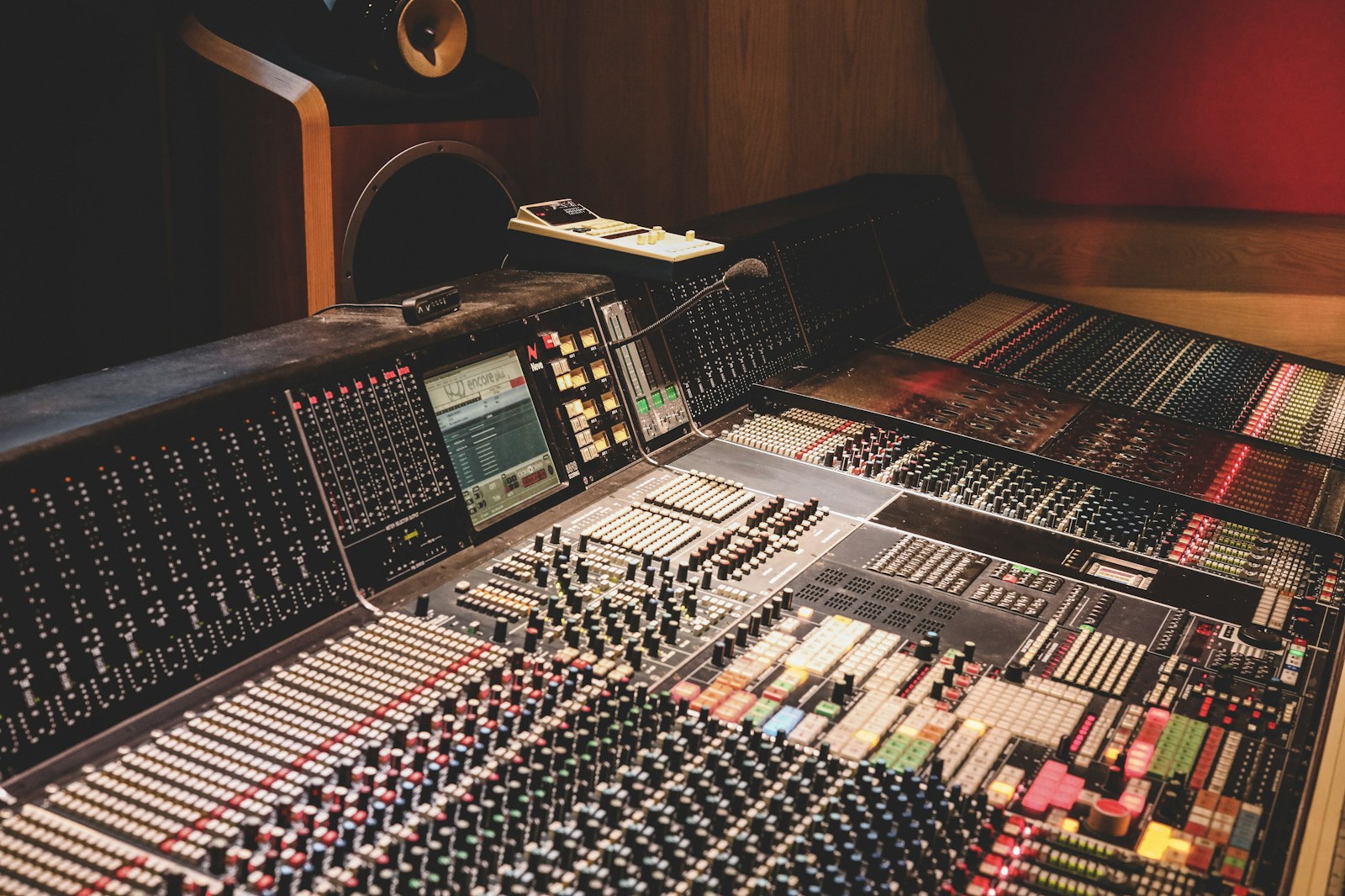
That’s why we don’t sell shortcuts. We sell tools that reward competence. If you know how to place a mic, a solid condenser will capture what you hear in your head. If you understand compression, a well-built hardware unit will give you control that software can’t replicate. But neither will teach you compression. That’s on you.
This might sound like we’re talking you out of buying gear. But we’re not. We’re asking you to buy with intention. The gear that survives in our curation is the gear that helps you get from where you are to where you want to be — not because it’s magic, but because it’s well-designed and works as promised.
Three Pillars of Our Trust Curation
We evaluate every piece of gear we recommend against three specific criteria. If it doesn’t pass all three, it doesn’t make the cut. No exceptions.
The Sound Integrity Principle
First and foremost: the gear must sound good. Not “colored” good or “vintage” good — just good. Clean when it needs to be clean, warm when it’s supposed to be warm, and transparent when transparency matters. We care about noise floor, tonal accuracy, and dynamic range because these are the fundamentals that separate professional gear from consumer toys.
We gravitate toward brands that prioritize these basics: clean preamps from Grace Design, transparent converters from RME, and microphones from companies like Shure and Neumann that understand consistency across units. If a piece of gear introduces unwanted artifacts, flattens transients, or colors the signal in a way you can’t control, we pass on it. Your mix shouldn’t have to fight the equipment.
Creative Flexibility Over Presets
The best gear invites experimentation. It doesn’t lock you into one sound. We’re biased toward tools that are tweakable, modular, or hybrid — things you can bend to your will rather than tools that bend you to theirs.

Think about the difference between a synthesizer with a fixed signal path versus one with patch points. One teaches you to follow instructions. The other teaches you to explore. We favor the latter. We’d rather recommend a versatile EQ with stepped controls that you can recall than a “character” EQ that sounds good on exactly one source and falls apart on everything else. The gear that survives creative sessions is the gear that grows with you as your ears develop.
Built for the Long Session
Studio gear should survive. Not just the first month — but the tenth year. We’ve watched too many pieces fail mid-session: a power supply that hums, a potentiometer that crackles, a USB port that loosens after a dozen plug-ins. That’s not acceptable in a professional environment.
We look for build quality you can feel. Metal chassis that don’t flex. Components that run cool even after eight hours of tracking. Connectors that seat firmly and release cleanly. Manufacturers that stand behind their products with real warranties and real support. When we recommend a piece of gear, we’re betting that it will still be in your rack a decade from now.
The Producer’s Ear Comes First
We don’t make recommendations from spec sheets. We make them from listening sessions. Every piece of gear we carry has been tested in real sessions — sometimes by us, sometimes by producers we trust. We set it up, we run signals through it, we A/B it against known references. We listen for the things that matter: transient response, noise floor at gain extremes, consistency across the frequency spectrum.
This takes time. It means we can’t flood our shelves with every new release. But it also means when we say something works, it’s because we’ve heard it work. Not because the marketing copy was convincing. That’s the producer’s ear, and it’s the only filter we trust.
What This Means for You
If you read this and nodded along, you already understand what we’re trying to do. You’ve been burned by hype before. You’ve bought gear that didn’t deliver. You know that the right tool can make a session flow, and the wrong one can kill it.

At Ramesh Music, we’ve built our selection around that understanding. Every recommendation, every curated list, every piece of advice comes from the same place: a belief that music production is craft, not consumption. That gear should enable, not distract. That trust is earned one session at a time.
If this philosophy resonates with you, take a look at our curated gear section. Not because we’re trying to sell you something — but because if you share these values, you’ll find our selection different. And hopefully, better.