

Introduction
You’ve got a ticket to the biggest greenfield festival in the world. Now the real work begins. If you’re reading this, you’re likely a first-timer looking for practical Glastonbury festival first timer tips to avoid the common pitfalls that turn a magical weekend into a logistical nightmare. This guide isn’t about hype or bucket lists. It’s about the gritty, essential details that make or break your experience. We’re talking campsite strategy, packing for a British summer (which means four seasons in one day), navigating a city-sized site, and keeping your budget intact. I’ve been through the mud, the sun, and the 2 AM walks across a dark field enough times to know what works. Let’s get into it.

Tickets, Travel and Arrival: Getting Your Foot in the Door
The first real hurdle is the booking process. You need to register on the official Glastonbury website before tickets go on sale. Registration involves uploading a photo and paying a small fee. Ticket day is a scramble’ have multiple devices and tabs open. You’ll pay a deposit (usually £50-£60) and the balance later. Resale tickets happen in April if you miss the first wave, but they’re even harder to secure.
Travel planning is just as critical. Coaches are the most efficient option’ they drop you right at the gate, bypassing car park queues. Driving means a long walk from the car parks to the site. Pack light or bring a trolley. For those hauling gear a long way, a heavy-duty camping trolley can save your shoulders and speed up your arrival. Arrival days are Wednesday (for the full experience) and Thursday. If you’re arriving Thursday afternoon, expect a queue and a long walk to the campsite. Arriving early (Wednesday morning) gives you the best pick of camping spots.
Packing for the Unexpected: Weather, Gear and Essentials
British weather is a troll. You’ll likely face sun, rain, and cold within a single day. Packing right is your first line of defence. Start with base layers’ merino wool or synthetics, not cotton. Add a mid-layer (fleece or hoodie). Then a waterproof jacket that actually works, not a fashion piece. Wellies are mandatory if it’s muddy; walking boots are better for dry conditions. The classic mistake is wearing new boots. Break them in for at least a week beforehand.
- Wellies vs. Boots: Wellies keep mud out but are useless in dry heat and cause blisters. Walking boots are more comfortable for long days but get soaked in deep mud.
- Power bank: A high-capacity portable power bank (20,000mAh or more) is non-negotiable. The site has charging points, but queues are long. A solar panel also works if you’re camping in a sunny spot.
- Torch or headlamp: The site is huge and poorly lit. A headlamp frees your hands. Beginners may appreciate a rechargeable headlamp for bright, hands-free navigation after dark.
- Camp chair: A lightweight, collapsible stool saves your back at the stages.
- Collapsible water bottle: Free water taps are everywhere. Carry an empty bottle and fill up.
- Basic medical kit: Plasters, blister plasters, painkillers, antihistamines, and Imodium. The medical tents are busy.
- Reusable cup: Many bars offer a discount for using your own cup. It also helps the environment.
Choosing a Campsite: Where to Pitch Your Tent
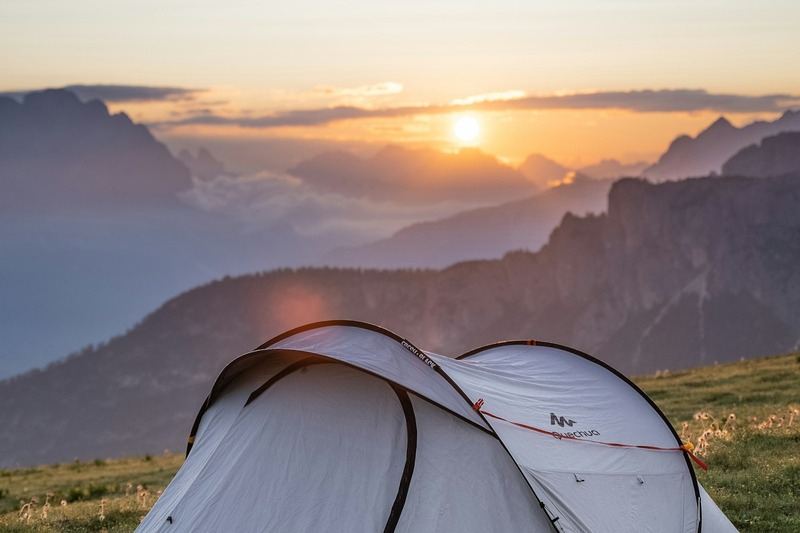
Your campsite choice determines your entire festival experience. The map is your best friend. Study it before you leave. The main campsite zones each have a personality. Pennard Hill is the party central’ loud, crowded, and chaotic. Great for social butterflies, terrible for sleep. Big Ground is a massive, sloping field near the Pyramid Stage. It’s convenient but noisy and exposed to wind.
Park Home and Dairy Ground are quieter, family-friendly zones. They’re further from the main stages but offer better sleep and smaller crowds. Kidney Mead is a good mid-point for accessibility.
The golden rule for first-timers: don’t camp near the main paths, toilets, or loud stages. You’ll get zero sleep. Also, avoid slopes if you can’ tents slide and water pools. Pitch your tent with the door facing away from the prevailing wind. If you’re arriving late, expect to walk 30-40 minutes to the campsite. Pack accordingly. To block out noisy neighbours, travelers who need quiet rest may want a pair of high-fidelity earplugs that reduce noise without muffling music.
Navigating the Festival: Orientation and Smart Movement
Glastonbury is roughly 900 acres. That’s bigger than most theme parks. You will get lost. Accept it. The site has a central spine (the Railway Line) and several distinct areas: the Pyramid Stage (main), Other Stage (second), West Holts (world music), The Park (indie and arts), and Silver Hayes (electronic). Each area has its own vibe and crowd density.
Use the official app for live maps, set times, and notifications. But always carry a printed map as a backup’ your phone will die. Pick a meeting point for your group if you get separated. The famous ’meet at the flagpole’ or ’meet at the cider bus’ work well. The Pyramid Stage area is an obvious landmark, but it’s massive. Be specific.
Moving between stages takes time. A 10-minute walk can turn into 30 if you hit a crowded bottleneck. Plan your route to avoid chokepoints like the paths near the Pyramid Stage or the railway crossing. Use the quieter, less crowded paths along the edges of the site.
Food, Drink and Money: Eating Well Without Breaking the Bank
The food at Glastonbury is incredible’ think bao buns, wood-fired pizzas, curries, vegan bowls, and fresh doughnuts. But it comes at a cost. Expect to pay £8-£12 for a main meal and £5-£6 for a drink. A daily food budget of £30-£40 is realistic. You can save money by bringing your own snacks’ cereal bars, nuts, dried fruit, and instant noodles (if you have a camp stove, which is allowed).
Water is free. Use the refill stations and carry a bottle. For alcohol, buying from the supermarket before you arrive is cheaper than bar prices. Many bars accept contactless, but cash is still useful for small vendors and emergencies. There are ATMs on site, but queues are long and fees apply.
A pro tip: bring a reusable cup. Some bars offer a discount, and it saves the hassle of carrying a disposable one. Also, avoid buying pints at the main stages during headliners’ queues are insane and prices higher.
Toilet and Shower Strategy: Staying Clean(ish)
Let’s be honest: festival hygiene is a compromise. The long-drop toilets are the most common’ they’re basic but bearable if you go early in the day. Composting toilets are a step up, located near the quieter areas. Queues for showers can be 30-45 minutes. Skip them unless you really need one. A wet wipe wash and a change of clothes does the job.
Essential toilet kit: wet wipes (unscented), hand sanitiser, biodegradable soap, and a small towel. A pee bottle for your tent is a game-changer’ it saves you from a freezing, dark walk to the toilets at 3 AM. Just mark it clearly so you don’t confuse it with your water bottle.
What to See: Balancing Headliners with Hidden Gems
The main stages are spectacular, but the real magic is in the smaller venues. The BBC Introducing stage showcases emerging talent. The Avalon stage offers folk, blues, and storytelling. The Greenpeace field has talks, workshops, and art installations. The Theatre and Circus fields are worth a wander during the daytime.
The classic mistake is over-planning. You’ll spend half your time walking between stages. Instead, pick one or two must-see acts per day and let spontaneity fill the rest. Set times clash’ accept that you’ll miss things. Rest is important. Head back to your tent for a nap if you’re flagging. The later night sets (11 PM onwards) are often the best.
Staying Safe: Weather, Crowds and Your Belongings
Glastonbury weather is a full-contact sport. Prepare for mud (walking wellies or boots with good grip), sun (hat, sunscreen, sunglasses), and cold nights (a warm sleeping bag and a decent jacket). Crowd crush is a real risk at the main stages. Stay near the edges if you’re claustrophobic. If you’re in a crowd, keep your arms loose and your phone in a zipped pocket.
Theft happens. Use lockers near the entrances for valuables’ they’re around £10-£15 per day. Keep your phone, wallet, and keys on your person at all times. Don’t leave anything valuable in your tent. Medical tents and welfare areas are dotted around the site. They’re well-staffed and free. If you feel unwell, go to one. The welfare team can also help if you’re lost or stressed.
Mistakes First-Timers Often Make (And How to Avoid Them)
- Overpacking: You will not use half of what you bring. Pack light and wash clothes if needed.
- Losing friends: Agree on a meeting point before you separate.
- Not checking the app: Set notifications for stage changes and arrivals.
- Wearing new boots: Blister city. Break them in before the festival.
- Skipping earplugs: Camping near a stage equals zero sleep. Earplugs are essential.
- Not budgeting enough: You’ll spend more than you expect. Carry a buffer.
- Not bringing a torch: The site is dark. A torch is a safety essential.
The Day After: Departure and Post-Festival Recovery
Departure day is a slow, muddy slog. Pack up your tent early (Monday morning) and head to the exit. Traffic is a nightmare, especially Monday afternoon. If you’re on a coach, you’ll have a designated boarding point. If you’re driving, check the car park exit routes on the app. Lost property can be reclaimed from the official office on site or online afterwards.
Recovery is crucial. Rehydrate with electrolytes, eat a proper meal, and give your feet serious attention’ soak them, treat blisters, and elevate them. Gear cleaning will test your patience. Let everything dry fully before packing away. A final luxury: booking a guesthouse or hotel nearby for Monday night takes the edge off the drive home and gives you a hot shower and a real bed. It’s a smart move if your budget allows.
Check availability for nearby accommodation to secure a smooth trip.
Final Checklist: Your Go-to Guide Before You Go
- Tickets: Printed or on your phone. Carry ID.
- Waterproofs: Jacket and trousers. Test them beforehand.
- Power bank: 20,000mAh minimum.
- Earplugs: For sleep and quiet zones.
- Printed map: In case your phone dies.
- Reusable bottle and cup: Save money and waste.
- Cash: Small denominations for vendors and emergencies.
- Wellies or boots: Based on weather forecast.
- Small tent: Easy to carry and quick to pitch.
- Check availability for nearby accommodation to plan your post-festival recovery.