
Introduction
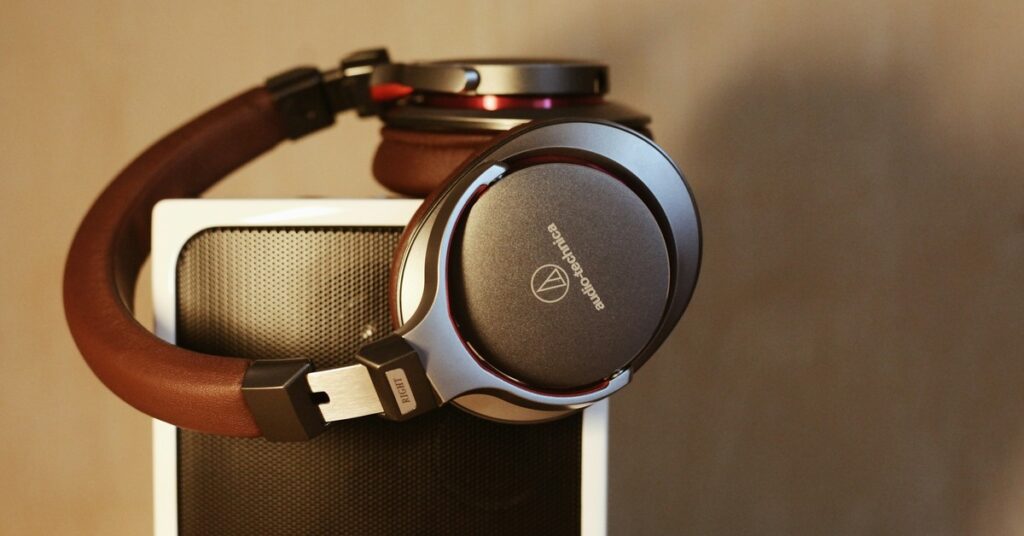
If you’re setting up a home studio or upgrading your monitoring gear, the choice between closed back vs open back headphones studio work is one of the first real decisions you’ll face. It’s not a minor preference. This choice directly affects how accurate your mixes sound, whether you can track vocals without bleed, and how long you can work before your ears give out. I’ve been on both sides of this, tracking vocals in less-than-ideal rooms and spending hours fine-tuning a mix. The wrong headphone type will cost you time and false confidence. This guide is based on real-world studio experience, not just spec sheets. We’ll break down the design differences, when each type wins, and the specific models that actually deliver in a working studio environment.
What’s the Difference Between Closed-Back and Open-Back Headphones?
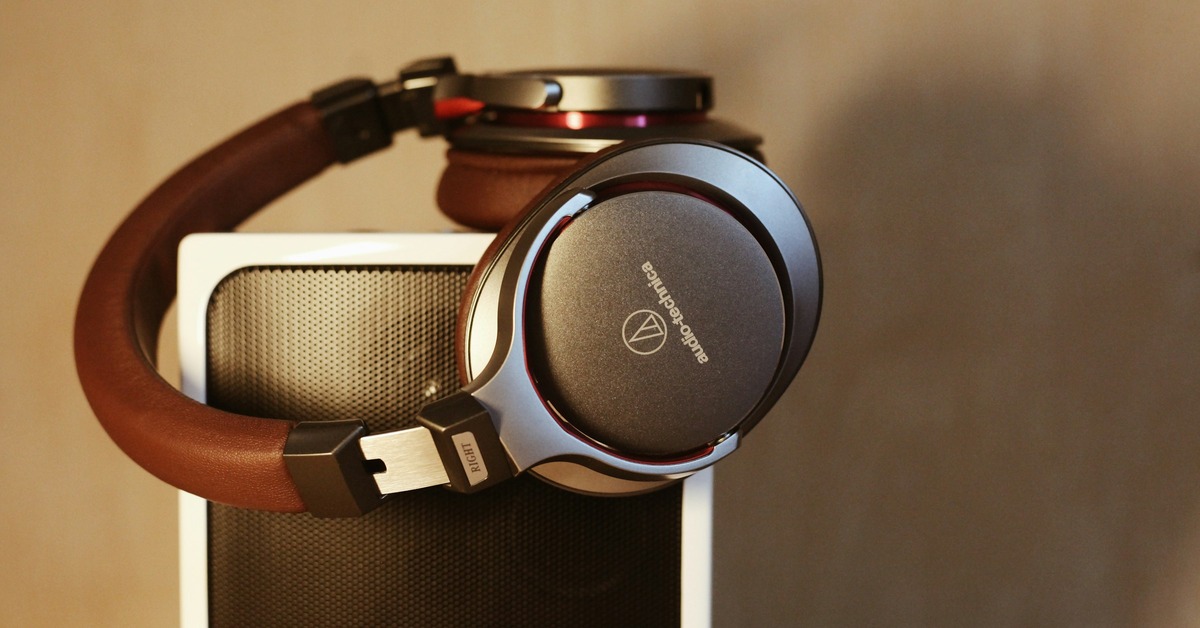
The core difference is in the earcup design. Closed-back headphones have a solid, sealed back on the earcup. This creates a barrier that keeps sound from leaking out and blocks ambient noise from getting in. Think of it like a pair of ear defenders with a speaker inside. This makes them ideal for recording because the microphone won’t pick up the click track or your headphone mix. They’re also great for noisy environments since you don’t hear the world around you.
Open-back headphones have a perforated or vented back on the earcup. This allows air and sound to pass freely in and out. The result is a much more natural, spacious sound because there’s no trapped pressure inside the cup. But it also means you’ll hear your neighbor’s dog barking, and anyone nearby will hear exactly what you’re listening to. In a studio context, open-back headphones are reserved for critical listening and mixing. For tracking, they are a liability.
How the Design Affects Sound and Isolation
Let’s get into how these designs actually shape what you hear. With closed-back headphones, the sealed chamber creates more bass impact. You feel the kick drum a bit more, and the low end can sound punchy and immediate. This can be great for beat-making or monitoring in a loud room. But there’s a downside. The trapped air inside the earcup can create small resonances and standing waves, which slightly color the sound. You aren’t hearing the mix as it truly is. You’re hearing the mix plus the acoustic signature of the cup. Over long sessions, this enclosed space can also lead to ear fatigue, something I’ve experienced firsthand after a four-hour tracking session with closed-back cans.
Open-back headphones solve this problem entirely. Because there’s no sealed chamber, the sound has room to breathe. The bass is less hyped, but it’s more accurate. The midrange and highs are much more natural, and the stereo image—what we call the soundstage—is significantly wider. You can pan a guitar left, and it actually sounds like it’s coming from the left side of the room, not just inside your head. The isolation, or lack of it, is the trade-off. You can whisper to yourself and hear it clearly. A truck outside will ruin a critical listening session. This is why the choice often comes down to environment: a quiet, treated room favors open-back for mixing; a noisy room or a recording setup demands closed-back.
Mixing with Open-Back: Why the Soundstage Matters
For mixing, open-back headphones are my go-to, and most experienced engineers would agree. The reason is simple: accuracy. The open design virtually eliminates the resonances and pressure artifacts that plague closed-back designs. This means the frequency response is flatter, and the stereo field is much more coherent. When you’re making decisions about panning, reverb tails, and the overall balance of the mix, you need to hear the sound as it truly sits in the stereo space.
Take a classic reference like the Sennheiser HD 600. These are open-back and have been a studio staple for decades. When you put on a pair, you immediately understand why. The mix isn’t glorified. You hear the flaws, the muddiness, and the harsh moments. It’s not a forgiving listen, and that’s precisely the point. You need that honesty to make good mixing decisions. With closed-back headphones, I’ve personally fallen into the trap of boosting the bass because it didn’t seem loud enough in the mix, only to hear it rumble uncontrollably on a car system. Open-back headphones help you avoid those mistakes by giving you a clearer window into what you’re actually working with. For engineers who need that clarity, it’s worth exploring current open back studio headphones options.
Tracking and Recording: When Closed-Back is the Right Call
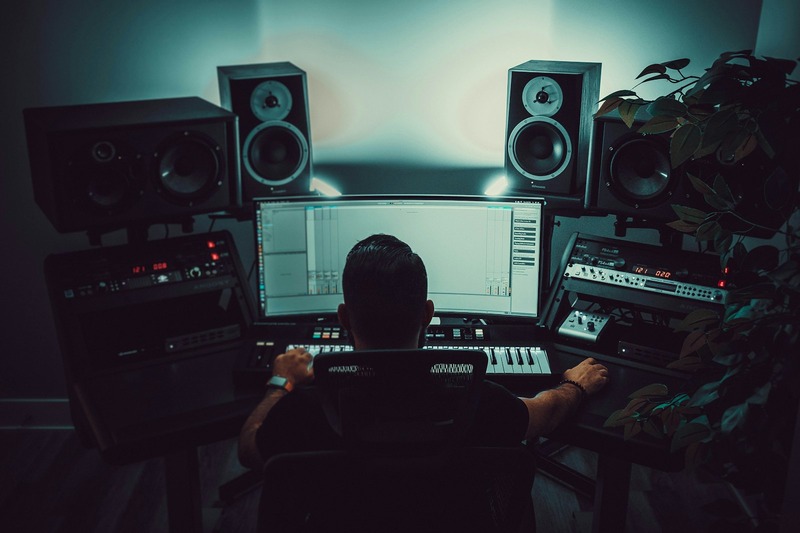
When it’s time to record, closed-back headphones are the only serious option. The number one reason is sound leakage. If you’re tracking a vocalist, you cannot have a click track bleeding into the microphone. Open-back headphones will leak sound directly into the vocal mic, ruining the take. Closed-back headphones prevent this entirely. The isolation also helps the performer. They can hear the mix clearly without the room noise interfering, and they stay locked into the performance.
For home studios, this is even more critical. If you’re recording drums, the noise from the drums themselves is loud enough, but you still need a clear reference for the drummer. A closed-back headphone like the Sony MDR-7506 or Audio-Technica ATH-M50x is perfect here. They’re durable, affordable, and provide enough isolation that the drummer can hear the guide track without it bleeding into the drum mics. I’ve also used closed-back headphones for voice-over work and podcast recording for the same reason. They keep your own voice from bleeding into the mic pickup when you’re reading a script. For any recording application, closed-back is non-negotiable. If you need reliable isolation, consider a set of closed back recording headphones.
Common Mistakes Producers Make with Both Types
I’ve made a few of these mistakes myself, so I’ll save you the headache. One of the biggest is using open-back headphones in a noisy room and trusting the mix. If you’re hearing air conditioning hum or street traffic, that noise is masking the low-level detail in your mix. You’ll overcompensate, adding too much treble or compression, and the mix will sound wrong everywhere else.
Another common error is using closed-back headphones for final mixing. You might think the bass sounds great and the stereo width is fine, but you’ll often end up with a mix that has too much bass and not enough stereo width. The closed-back design gives a false sense of punch and punchy low end, which leads to under-compensated mixes. Then there’s the mistake of using no reference headphones at all. Relying solely on your studio monitors is fine, but if you don’t have a treated room, your mixes are likely inaccurate. A good pair of open-back headphones for reference alongside your monitors is a cheap insurance policy.
Best Closed-Back Headphones for Studio Work
If you need closed-back headphones, here are the models I’ve seen in every studio, and for good reason. The first is the Sony MDR-7506. These are a classic. They’re lightweight, foldable, and have a detailed, slightly hyped high end that’s great for tracking. You can hear sibilance and mouth noises clearly. They’re perfect for vocals and voice-over. The only downside is a slightly recessed low end, so they’re not ideal for bass-heavy genres.
The Audio-Technica ATH-M50x is another industry standard. They have a more balanced sound than the Sony, with better bass response and a slightly wider soundstage for a closed-back. They’re excellent for beat-making and mixing in a noisy environment. They’re comfortable for long sessions, too. The Beyerdynamic DT 770 Pro is the choice for durability and isolation. They have very high isolation, making them perfect for loud drum rooms or tracking near a loud amp. The bass is strong, and the treble is detailed, though some find them a bit sharp. For tracking, they’re hard to beat. If you want a widely trusted pair, check out Audio-Technica ATH-M50x for a proven closed-back option.
Best Open-Back Headphones for Studio Work
For mixing and critical listening, open-back is where you want to invest. The Sennheiser HD 600 is the reference standard. It has a flat, neutral frequency response with no exaggerated bass or treble. It’s not exciting to listen to, but it’s brutally honest. You’ll hear every mixing mistake clearly. This is a headphone for serious engineers who want to know what their mix actually sounds like.
The Beyerdynamic DT 900 Pro X is a more recent contender. It offers a slightly wider soundstage than the HD 600 and a bit more bass extension. It’s very comfortable and detailed, making it a strong option for both mixing and casual listening. The AKG K702 is famous for its massive soundstage. If you work on live recordings or orchestral mixes, this is a great choice. It’s also excellent for critical listening because it separates instruments with great clarity. The K702 can be a bit bright, though, so if you’re sensitive to high frequencies, spend time auditioning. All of these are investment pieces that will serve you for years. For a detailed open-back option, take a look at the Sennheiser HD 600 as a reliable starting point.

Closed-Back vs Open-Back for Different Studio Tasks
- Tracking vocals: Closed-back. No bleed, better isolation.
- Final mixing: Open-back. More accurate soundstage and frequency balance.
- Editing dialogue or podcast: Open-back if your room is quiet. Allows you to hear room tone naturally. Closed-back if you’re in a noisy space.
- Beat-making and production: Closed-back for bass impact and isolation. Open-back for detailed sound design.
- Critical mastering: Open-back. You need the most accurate representation possible.
- Long editing sessions: Open-back is generally more comfortable and less fatiguing due to better airflow and no pressure build-up.
Can You Use Just One Type? The Truth About Headphone Workflows
The honest answer is that you can get by with one type, but your workflow will suffer. If you only have closed-back headphones, you will make worse mixing decisions. If you only have open-back headphones, you will struggle to record vocals, guitar, or anything that requires isolation. The best studio workflow involves both. Track with closed-back, then reference and mix with open-back. It’s not about having more gear for the sake of it; it’s about having the right tool for each task.
That said, budget is real. If you can’t afford both at once, prioritize based on your primary work. If you record vocals or work in a noisy room, buy a solid closed-back first. A pair of MDR-7506s will serve you well for tracking and basic mixing. If you mostly mix in a quiet room and rarely record anything, then an open-back like the HD 600 is a better first investment. You can always add the other type later. The key is to understand the limitation of a single headphone and work around it.
Budget Considerations: Getting the Best Value
You don’t need to spend a fortune to get decent studio headphones. For tracking, closed-back models like the Sony MDR-7506 or Audio-Technica ATH-M50x are under $200 and are used in professional studios worldwide. They are not —budget— alternatives; they are professional tools that happen to be affordable. For mixing, open-back headphones generally start a bit higher. The Sennheiser HD 600 is around $300 to $400, and it’s a price I consider a wise allocation of studio funds. The Beyerdynamic DT 900 Pro X is similarly priced and offers great value.
A common mistake is buying a cheap open-back headphone that isn’t truly flat. They might have boosted bass or hyped treble to sound impressive for casual listening, but that’s the opposite of what you need for mixing. Stick to models that have a reputation for accuracy, even if they cost a bit more. A $100 closed-back for tracking and a $300 open-back for mixing is a very sensible investment. Avoid the trap of buying a single $500 headphone that tries to do everything; you’ll be better off with two dedicated pairs in a lower price bracket.
Final Verdict: Which Should You Buy First?
Here’s the straightforward advice. If you record anything — vocals, guitar, drums, podcast — start with a quality closed-back headphone. The Audio-Technica ATH-M50x is a safe, proven choice. You will immediately benefit from the isolation and the ability to track without bleed. If you only mix and produce in a quiet, controlled room, skip the closed-backs and go directly to an open-back like the Sennheiser HD 600. The accuracy improvement in your mixes will be immediate.
If you can afford both, do it. Get a pair of Sony MDR-7506 for tracking and a pair of Sennheiser HD 600 for mixing. That combination covers almost every studio task you’ll encounter. It’s not about having the most gear; it’s about having the right gear. Your ears and your mixes will thank you.
Your Studio, Your Choice
Ultimately, the best gear is the gear that helps you make better decisions faster. I’ve seen people spend hours trying to fix a mix that was doomed because they were using the wrong headphones. The choice between closed-back and open-back isn’t a luxury debate; it’s a workflow decision. Take the advice here, understand your own needs, and buy accordingly. A little research and a smart purchase will save you a lot of frustration down the line. Trust your ears, but give them the right tools to work with.